-
Motilal Colony , Dumdum, Kolkata 700079
Motilal Colony , Dumdum, Kolkata 700079
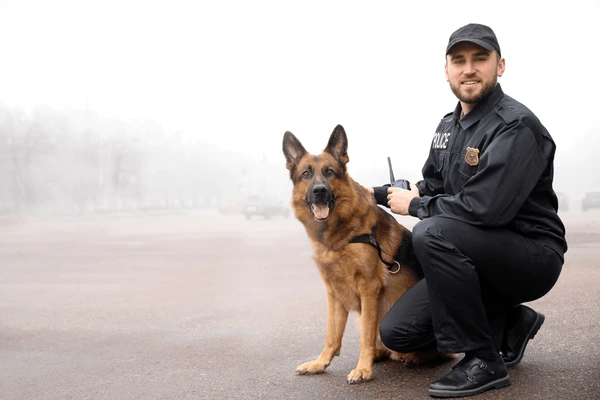
Trained security guard duties explained with insights into vigilance, emergency response, customer service, and why professional security guard company stresses professionalism. Understanding the Role of Security Guards in Modern SocietyWhy Training Matters for Security GuardsCore Duties of a Trained Security GuardMaintaining Vigilance and SurveillanceAccess Control and Visitor ManagementEmergency Response ReadinessCrowd ManagementReporting and DocumentationCustomer Service RoleSecurity Guard Company Highlights Key ResponsibilitiesAdvanced Skills a Trained Security Guard Should HaveHow a Trained Security Guard Adds Value to OrganizationsMost Asked FAQsBuilding Trust Through Skilled Protection Understanding the Role of Security Guards in Modern Society In today’s fast-paced world, safety and security have become fundamental concerns for individuals, businesses, and communities alike. The presence of a trained security guard not only ensures protection against threats but also builds confidence among people in public and private spaces. Their role goes beyond just standing at gates—they act as the first line of defense, the eyes and ears of an organization, and sometimes even as customer support representatives. Knowing what duties a trained security guard should have helps people understand the importance of professionalism, discipline, and preparedness in the field of security services. Why Training Matters for Security Guards Without proper training, a security guard may not be able to respond effectively during emergencies or daily challenges. Training ensures they: Understand protocols for different situations. Develop the ability to identify suspicious activity. Acquire communication and conflict resolution skills. Stay updated with technology-driven security systems. Maintain discipline and a professional demeanor. The difference between an untrained guard and a trained one can be critical in life-threatening or high-pressure scenarios. Core Duties of a Trained Security Guard Maintaining Vigilance and Surveillance A trained security guard must remain observant at all times, monitoring entrances, exits, and surrounding areas. Their watchful eyes help in detecting irregular behavior or potential risks early. Access Control and Visitor Management One of the essential responsibilities is controlling who enters and exits the premises. Guards verify identification, maintain visitor logs, and ensure only authorized individuals are granted entry. Emergency Response Readiness A well-trained guard knows how to respond swiftly to emergencies such as fire outbreaks, medical incidents, or break-ins. Their ability to stay calm and follow procedures can make a life-saving difference. Crowd Management In public gatherings, offices, or events, security guards help control crowds to prevent chaos. Trained professionals ensure order without using unnecessary force. Reporting and Documentation Every incident, whether minor or major, should be recorded. Documentation allows organizations to assess risks and improve safety measures. Customer Service Role Security guards often interact with employees, visitors, or residents. Their polite and helpful behavior enhances the sense of safety while maintaining professionalism. Security Guard Company Highlights Key Responsibilities According to the Best Security Guard Company in Kolkata, the duties of a guard must extend beyond just physical protection. The emphasis lies in combining vigilance with effective communication and quick decision-making. A trained professional must balance firmness with approachability, ensuring security measures never compromise human respect and dignity. Advanced Skills a Trained Security Guard Should Have First Aid Knowledge: Ability to provide basic medical support before professionals arrive. Technology Familiarity: Operating CCTV systems, biometric scanners, and alarm systems. Legal Awareness: Understanding the boundaries of authority and the rights of individuals. Crisis Communication: Delivering clear instructions during emergencies. Risk Assessment: Identifying weak points in the premises and recommending solutions. How a Trained Security Guard Adds Value to Organizations Prevents crime before it happens through vigilance. Protects assets such as property, information, and resources. Boosts public confidence in safety at workplaces and communities. Supports law enforcement by providing timely evidence and reports. Maintains discipline in busy environments like offices, malls, and events. Most Asked FAQs Q1. What is the main duty of a trained security guard?The primary duty is to ensure safety by monitoring, preventing risks, and responding effectively during emergencies. Q2. Do trained security guards also provide customer support?Yes. They often guide visitors, assist with directions, and handle inquiries professionally. Q3. Is physical fitness important for security guards?Absolutely. Physical fitness allows guards to perform duties like patrolling, responding quickly, and managing crowds. Q4. Can trained guards handle fire or medical emergencies?Yes, many undergo first aid and fire safety training to provide immediate assistance before specialists arrive. Q5. Are...
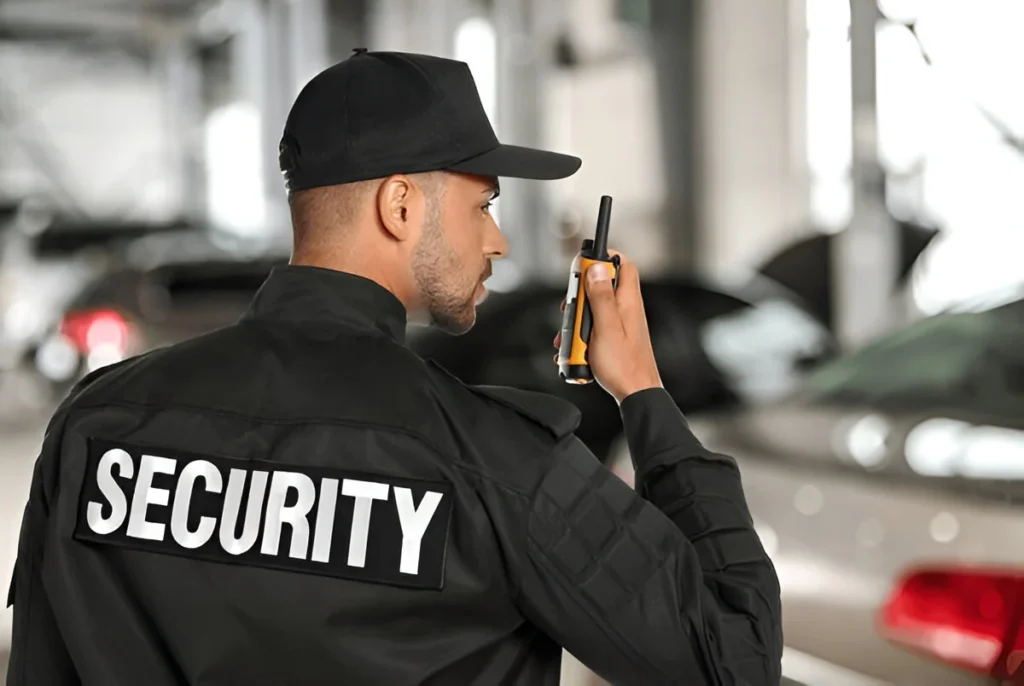
Learn what to ask before hiring a security guard agency and how a reputed security guard company ensures safety with trained professionals. When it comes to protecting lives, property, and businesses, choosing the right security partner is one of the most important decisions. Many people assume that all agencies provide similar services, but the truth is, the standards, training, and reliability of guards vary widely. Knowing what to ask before hiring a security guard agency ensures you select professionals who can truly safeguard your needs. Why Hiring a Security Guard Agency MattersKey Questions to Ask Before Hiring1. What training do your guards receive?2. Are the guards licensed and background-verified?3. What kind of experience does the agency have?4. How do you handle emergencies?5. What technology and tools are used?6. How are guards supervised and evaluated?7. What are the cost structures and contracts like?Signs of a Reliable Security Guard AgencyBenefits of Asking the Right QuestionsMost Asked FAQsBuilding Trust with the Right Questions This guide will help you understand the critical questions to ask, the qualities of a dependable service provider, and how to make a decision with confidence. Why Hiring a Security Guard Agency Matters In today’s world, security threats have become more complex than ever—ranging from theft and vandalism to cyber-enabled crimes targeting physical assets. Whether it’s a residential society, a corporate office, or an event, hiring a skilled team makes all the difference. Professional guards act as a deterrent to criminal activity. Quick response can minimize risks during emergencies. A strong security presence instills confidence in residents, clients, and staff. Key Questions to Ask Before Hiring 1. What training do your guards receive? Not all guards undergo the same training. Ask about: Basic safety and patrolling methods. Crisis management and first aid skills. Use of technology like surveillance systems. 2. Are the guards licensed and background-verified? Verification is non-negotiable. Reliable agencies ensure: Police verification of all employees. Government-recognized licensing. Periodic background re-checks. 3. What kind of experience does the agency have? Experience translates to better preparedness. Look for: Previous work with businesses or housing complexes. Specialization in event security, VIP protection, or industrial safety. Testimonials and references from past clients. 4. How do you handle emergencies? An effective security guard agency should have: Written emergency protocols. Communication systems for rapid alerts. Collaboration with local police or fire departments. 5. What technology and tools are used? Modern security isn’t just about manpower—it’s about integration. Ask about: CCTV and access control systems. GPS tracking for patrols. Mobile apps for reporting incidents. 6. How are guards supervised and evaluated? A guard’s performance needs consistent monitoring. Ensure that the agency provides: Field supervisors for inspections. Regular performance reviews. Feedback systems for clients. 7. What are the cost structures and contracts like? Transparency is crucial. Clarify: Hidden charges, if any. Flexibility of long-term vs. short-term contracts. Refund or replacement policies. Signs of a Reliable Security Guard Agency Clear communication and quick response times. Strong training and licensing practices. Transparent pricing without hidden clauses. Positive reviews and trusted client base. Willingness to customize solutions as per your needs. Benefits of Asking the Right Questions Peace of mind – You’ll know your property and people are in safe hands. Cost efficiency – Avoid paying for inadequate or unprofessional services. Preparedness – Guards will be trained to handle unexpected crises. Trust building – A dependable team enhances your reputation among clients or residents. Most Asked FAQs Q1. What should I expect during the first meeting with a security guard agency?You can expect an assessment of your security needs, proposed strategies, and details on the guard training and cost structures. Q2. How do I know if the guards are reliable?Check their licensing, background verification, and whether the agency supervises them regularly. Q3. Can I request customized security solutions?Yes, reputable agencies tailor services based on residential, commercial, or event-specific needs. Q4. What happens if I’m not satisfied with the guard’s performance?Professional companies usually offer replacement options and performance monitoring systems. Q5. Are technology-integrated solutions necessary?While manpower is essential, modern technology like CCTV and tracking systems significantly improves efficiency. Building Trust with the Right Questions Selecting the right partner isn’t just about affordability—it’s about dependability, expertise, and preparedness. By asking the...

How a reputed security guard company handles emergency response with training, quick action, and safety measures explained clearly. Emergencies can happen at any time—whether it’s a medical situation, fire outbreak, theft attempt, or workplace accident. In such critical moments, the role of a professional security service goes far beyond surveillance. Quick, organized, and effective emergency response can mean the difference between chaos and control. Why emergency response is a critical part of securitySteps security services follow during emergencies1. Quick assessment of the situation2. Immediate communication3. Crowd management and evacuation4. First aid and initial support5. Protecting assets and informationTraining that empowers security guardsExamples of emergencies security services handleFire outbreaksMedical emergenciesTheft or intrusionNatural disastersBenefits of professional emergency responseFAQs on security service and emergency responseEnsuring safety through trained emergency response This article explores how security service handles emergency response, why it is vital for both businesses and individuals, and how professional expertise ensures safety during unpredictable events. By the end, you’ll also see how choosing a good security guard company can make a measurable difference in crisis situations. Why emergency response is a critical part of security Security guards are often the first line of defense during emergencies. Unlike law enforcement, who may take time to arrive, trained security personnel are already on-site. Their immediate action helps in: Controlling panic among people Securing premises before authorities arrive Providing first aid or evacuation assistance Acting as a communication link between victims and emergency services Steps security services follow during emergencies Professional security services are trained to follow structured protocols that minimize risk and protect lives. Here are the key steps they take: 1. Quick assessment of the situation Before reacting, guards are trained to assess: What type of emergency it is (fire, theft, medical, etc.) How severe the situation is What immediate risks exist for people or property 2. Immediate communication Alerting local emergency services (fire, police, ambulance) Informing managers, building owners, or concerned stakeholders Using walkie-talkies or digital systems for instant communication 3. Crowd management and evacuation Security teams prevent chaos by: Guiding people to safe exits Blocking unsafe areas Using calm but firm instructions to avoid panic 4. First aid and initial support Many guards are trained in: Basic CPR and first aid Handling minor injuries until professionals arrive Comforting individuals in distress 5. Protecting assets and information Beyond human safety, security services also: Secure sensitive documents or equipment Lockdown vulnerable sections of the premises Preserve evidence in case of crimes Training that empowers security guards Effective emergency handling doesn’t come by chance—it comes from intensive training. Guards from the Best Security guard Company In Kolkata usually undergo: Fire drill training to manage evacuation and extinguisher use First aid certification to assist during medical emergencies Crisis communication training for calm, clear instructions Surveillance monitoring skills to detect suspicious activity early Coordination training to work with police, fire departments, and hospitals Examples of emergencies security services handle Fire outbreaks Security staff help by raising alarms, using fire extinguishers, and guiding safe evacuations. Medical emergencies Guards trained in CPR can stabilize victims until paramedics arrive. Theft or intrusion Immediate lockdown of premises, calling law enforcement, and securing evidence are key steps. Natural disasters Earthquakes, floods, or storms require fast evacuation planning and coordination with authorities. Benefits of professional emergency response Having a skilled security team on-site provides peace of mind. Key benefits include: Faster response times compared to waiting for external help Reduced risks of injuries or fatalities during emergencies Improved property safety with asset protection protocols Confidence among employees and residents knowing safety is prioritized FAQs on security service and emergency response Q1. Are security guards trained for medical emergencies?Yes, many undergo CPR and basic first aid training. Q2. How do security services prevent panic during crises?By using crowd control techniques, calm communication, and pre-planned evacuation routes. Q3. Do all security companies provide fire safety training?Not all, but reputable ones ensure their staff are skilled in handling fire emergencies. Q4. Can security services work with local police during emergencies?Yes, guards often coordinate closely with police, fire, and ambulance services. Q5. What is the biggest advantage of hiring professional security?Immediate on-site response, which minimizes damage and saves lives. Ensuring safety through trained emergency response...
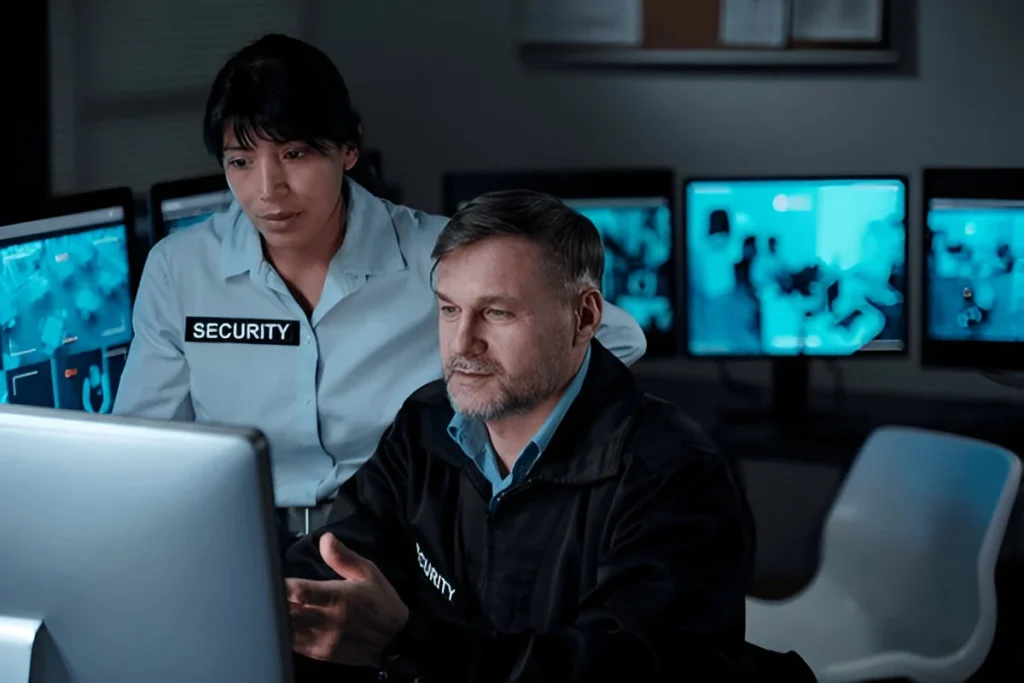
Discover who benefits from security consulting services and how professional guidance from a reputed security guard company ensures safety, efficiency, and peace of mind. In an era of rising security concerns, businesses, residential complexes, and even individual professionals are looking for ways to protect their assets, employees, and property. One of the most effective strategies is to seek guidance from professional security consulting services. Understanding who benefits from these services and how they work can help organizations and individuals make informed decisions to enhance safety. What Are Security Consulting Services?Who Typically Benefits1. Corporate Offices2. Residential Complexes3. Retail Businesses4. Industrial and Manufacturing Units5. Event Management CompaniesKey Benefits of Security Consulting ServicesHow Security Consulting Services WorkStep 1: Risk AnalysisStep 2: Strategic RecommendationsStep 3: Implementation OversightStep 4: Regular Review & UpgradesCommon Misconceptions About Security ConsultingFAQsA Note on Expert GuidanceSafety Is Smarter with Planning What Are Security Consulting Services? Security consulting services are expert advisory solutions that assess risks, design security plans, and help implement protective measures. These services are tailored to the client’s needs, whether it’s for corporate offices, residential complexes, or public events. Key components of security consulting services: Risk Assessment: Identifying vulnerabilities in your premises or operations. Strategic Planning: Designing security protocols for long-term safety. Implementation Guidance: Advising on security tools, personnel, and processes. Training & Awareness: Educating staff and residents on safety measures. Who Typically Benefits 1. Corporate Offices Large offices, coworking spaces, and corporate campuses can be targets for theft, cyber threats, and workplace violence. Security consulting services help organizations: Identify gaps in surveillance and access control. Develop emergency response strategies. Train employees on workplace safety protocols. 2. Residential Complexes From gated communities to apartment buildings, residents benefit by: Receiving recommendations on CCTV placement and access systems. Learning about visitor management solutions. Implementing safety drills and alarm systems. 3. Retail Businesses Stores, malls, and shopping complexes often face theft, vandalism, or employee safety concerns. Security consulting services help: Optimize store layouts for better monitoring. Implement alarm systems and inventory protection. Train staff on handling suspicious situations. 4. Industrial and Manufacturing Units Factories, warehouses, and production facilities are prone to theft, machinery tampering, and labor disputes. Consulting services provide: Security audits to prevent internal and external risks. Emergency evacuation plans. Access control for sensitive areas. 5. Event Management Companies Concerts, trade shows, and public events attract large crowds. Security consulting services: Assess crowd control needs. Develop plans for emergency exits and medical support. Train security personnel for specific event scenarios. Key Benefits of Security Consulting Services Risk Minimization: Proactive assessment reduces the likelihood of incidents. Cost Efficiency: Avoids unnecessary expenditures on ineffective security measures. Enhanced Preparedness: Employees, residents, or staff know exactly what to do in emergencies. Customized Solutions: Plans are tailored to the unique needs of each organization or facility. Professional Guidance: Expert insights help optimize both manpower and technology usage. How Security Consulting Services Work Step 1: Risk Analysis Consultants begin by evaluating the site, identifying vulnerabilities, and assessing potential threats. Step 2: Strategic Recommendations Based on the risk analysis, a detailed security plan is drafted, including: Surveillance setup suggestions Access control mechanisms Personnel deployment strategies Step 3: Implementation Oversight While some clients manage the execution themselves, consultants often guide the installation of systems, training, and monitoring solutions. Step 4: Regular Review & Upgrades Security needs evolve, so continuous assessment ensures protocols remain effective against emerging threats. Common Misconceptions About Security Consulting Myth: Security consulting is only for large businessesReality: Small businesses and even residential buildings can benefit. Myth: It’s all about technologyReality: People, processes, and awareness are equally important. Myth: Security consultants replace guardsReality: They work alongside security personnel to maximize effectiveness. FAQs Q1. How often should an organization hire security consulting services?Ideally, at least once a year or when there is a major change in operations, premises, or personnel. Q2. Can security consulting services help reduce insurance premiums?Yes. Demonstrating professional risk management often leads to lower premiums. Q3. Are these services expensive?Costs vary by organization size and complexity, but consulting often saves money by preventing incidents. Q4. Do security consulting services handle cybersecurity?Some specialize in physical security, while others offer combined physical and cyber solutions. A Note on Expert Guidance While understanding the basics helps, professional...
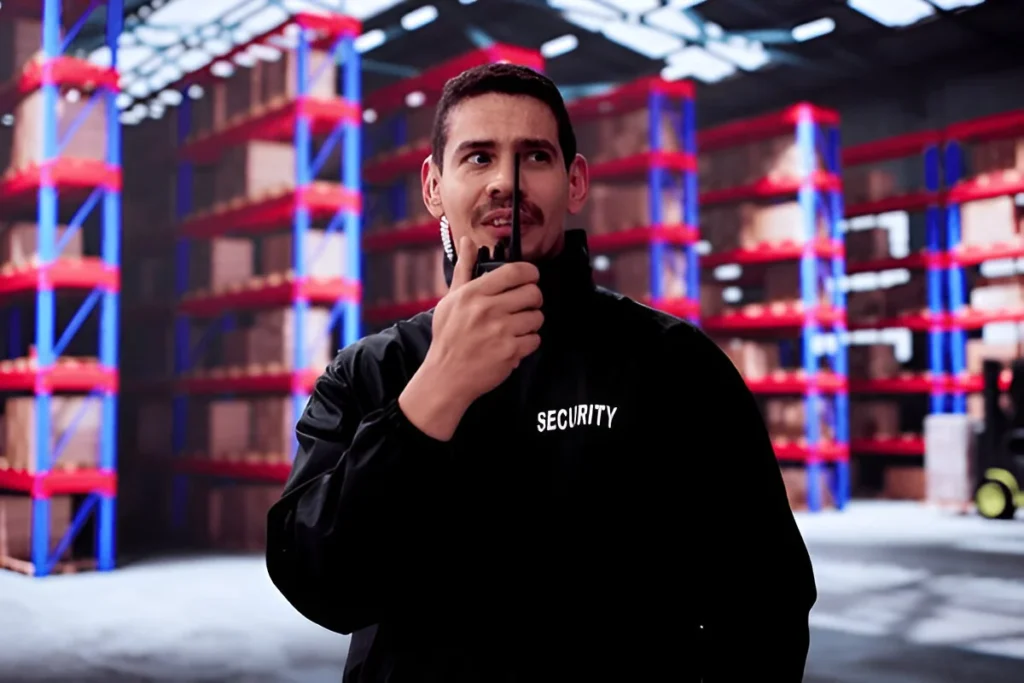
Cyber threats are reshaping physical security systems. Learn how a reputed security guard company ensures protection in the digital era In today’s interconnected world, the line between digital and physical threats is rapidly disappearing. A locked door may no longer be enough to protect a building if hackers can manipulate the access control system. Similarly, a guard standing at a gate might not detect that a surveillance camera has been compromised remotely. This growing overlap raises an important question: What do cyber threats really mean for physical security? Understanding the link between cyber and physical securityWhy cyber threats increase risks for physical assetsReal-world examples of the overlapThe role of human vigilanceHow organizations can respond effectively1. Regular security audits2. Strong access control policies3. Employee awareness and training4. Investment in modern tools5. Collaboration between departmentsFuture trends to watchFAQs on cyber threats and physical securityThe value of trusted expertiseSecurity redefined in the digital era Understanding the link between cyber and physical security Traditionally, organizations treated cybersecurity and physical security as separate issues. IT departments dealt with firewalls and anti-virus software, while security personnel managed gates, cameras, and patrols. But modern threats are blurring these boundaries. Smart devices in security systems: Many surveillance cameras, alarms, and biometric devices now connect to the internet. A cyber-attack on these systems can lead to unauthorized physical access. Data breaches and insider risks: Employee data or access credentials stolen online can be used for real-world intrusions. Integration of IoT (Internet of Things): From smart locks to automated lighting, these devices make life easier but create vulnerabilities. Remote manipulation: Hackers can disable security systems, unlock gates, or alter camera footage without ever being onsite. Why cyber threats increase risks for physical assets When we think of cybercrime, we often imagine data theft or online fraud. However, the implications extend far beyond the digital realm: Disabling security systems: Attackers can shut down CCTV or alarm systems, leaving physical locations unprotected. Tampering with surveillance footage: Hackers may alter or erase video records, hiding evidence of intrusions. Unauthorized access: Stolen login credentials can provide entry into restricted areas. Disruption of emergency systems: Fire alarms, evacuation protocols, or even communication lines can be compromised. These scenarios highlight why organizations must no longer treat cyber and physical threats as separate challenges. Real-world examples of the overlap Several high-profile incidents demonstrate the growing convergence of cyber and physical security: Airport security breaches: Hackers have exploited weak Wi-Fi connections to interfere with surveillance systems, threatening passenger safety. Corporate espionage: Cybercriminals accessed badge systems to allow unauthorized entry into sensitive corporate facilities. Public infrastructure attacks: City surveillance networks have been disabled through malware, leaving streets unmonitored. Each of these cases shows how cyber threats directly impact physical security in ways that put people and property at risk. The role of human vigilance Technology plays a crucial role, but it cannot replace the human factor. Security guards remain essential in bridging the gap between cyber systems and physical presence. For example: Spotting anomalies when systems fail or display unusual activity. Responding quickly to on-ground incidents caused by digital breaches. Following backup protocols when automated systems are compromised. Ensuring physical checks, like ID verification, to complement electronic access control. Trained professionals who understand both digital vulnerabilities and traditional risks are becoming increasingly valuable. How organizations can respond effectively To build resilience against these evolving threats, organizations need a strategy that unifies cyber and physical security measures. Some key steps include: 1. Regular security audits Evaluate both IT infrastructure and physical systems. Identify vulnerabilities where the two overlap. 2. Strong access control policies Limit employee access to sensitive areas based on job role. Use two-factor authentication for entry systems. 3. Employee awareness and training Teach staff how to recognize phishing attempts and social engineering. Train security personnel to respond to system malfunctions caused by cyber threats. 4. Investment in modern tools Deploy advanced firewalls and intrusion detection systems. Use surveillance cameras with strong encryption features. 5. Collaboration between departments Encourage IT teams and security teams to work together. Share incident reports to build a complete picture of risks. Future trends to watch As technology continues to evolve, the relationship between cyber threats and physical security will grow even more complex....
September 18, 2026
September 18, 2026
September 12, 2026