-
Motilal Colony , Dumdum, Kolkata 700079
Motilal Colony , Dumdum, Kolkata 700079

Workplace safety is crucial for productivity. Learn how security guards ensure safety standards with insights from a reputed Security Guard Company. The Importance of Workplace SafetyKey Roles of Security Guards in Workplace SafetyAccess Control and Visitor ManagementSurveillance and MonitoringEmergency Response and Crisis ManagementEnforcing Company PoliciesWhy Security Guards Are Vital for Workplace SafetyHow Workplace Safety Impacts Business SuccessFrequently Asked QuestionsThe Role of Trusted ProfessionalsA Safer Workplace Begins with Vigilance In today’s fast-paced work environments, maintaining workplace safety has become a top priority for organizations of all sizes. From preventing unauthorized access to managing emergencies, trained security guards play a critical role in safeguarding employees, assets, and overall business operations. But how exactly do security guards contribute to workplace safety? Let’s explore the responsibilities, techniques, and benefits they bring to the table. The Importance of Workplace Safety Workplace safety isn’t just about preventing physical harm. It also involves creating a secure environment where employees can focus on their tasks without fear or distraction. A well-implemented security system—including skilled guards—helps to: Prevent theft and vandalism Handle emergencies calmly and effectively Monitor sensitive areas like server rooms and storage Ensure compliance with safety protocols Provide a reassuring presence for staff and visitors These aspects form the foundation of a productive and harmonious workplace. Key Roles of Security Guards in Workplace Safety Security guards serve as the first line of defense in ensuring safety and smooth operations. Here’s how they do it: Access Control and Visitor Management Monitoring entry and exit points to prevent unauthorized access Maintaining visitor logs and issuing passes for controlled movement Verifying IDs to ensure only authorized personnel enter secure zones Surveillance and Monitoring Regular patrolling of the premises to deter suspicious activities Observing CCTV footage for unusual patterns or potential threats Reporting and documenting incidents in real time Emergency Response and Crisis Management Acting swiftly during fire alarms, medical emergencies, or security breaches Guiding employees and visitors to designated assembly points Collaborating with local authorities for a coordinated response Enforcing Company Policies Ensuring adherence to workplace safety protocols like fire exits and restricted zones Preventing misuse of company resources and sensitive information Why Security Guards Are Vital for Workplace Safety Here’s why companies prioritize hiring professional guards for workplace safety: Physical DeterrenceA uniformed guard’s presence discourages theft, vandalism, and inappropriate behavior. Quick Conflict ResolutionGuards are trained to de-escalate disputes and prevent them from disrupting operations. Preparedness for EmergenciesEquipped with basic first aid and crisis training, they can assist until professional help arrives. 24/7 MonitoringRound-the-clock vigilance helps protect workplaces, even after office hours. How Workplace Safety Impacts Business Success When workplace safety is taken seriously, businesses witness measurable benefits: Increased Productivity: Employees perform better in a secure environment. Reduced Liability: Compliance with safety regulations minimizes legal risks. Enhanced Reputation: Clients and stakeholders value companies that prioritize employee well-being. These advantages highlight why proactive measures, such as hiring trained security personnel, are essential. Frequently Asked Questions Why do workplaces need security guards?Security guards provide a physical presence that deters crime, manages emergencies, and maintains order in professional environments. Can security guards handle medical emergencies?Most guards are trained in basic first aid and can provide assistance until medical professionals arrive. How do guards help during fire emergencies?They assist in evacuation, guide people to safety, and coordinate with fire services. Are guards necessary if we already have CCTV?CCTV helps monitor but doesn’t prevent or respond to incidents in real time. Guards complement technology with human judgment. What qualities should I look for in a security guard company?Look for experience, licensing, trained personnel, and positive client feedback to ensure reliability. The Role of Trusted Professionals While technology can monitor and record, human intuition and immediate action are irreplaceable in critical moments. This is why organizations turn to experts like the Best Security Guard Company in Kolkata, which offers professionally trained guards adept at handling modern workplace challenges. A Safer Workplace Begins with Vigilance Creating a safe work environment requires more than just policies—it demands active measures and vigilant oversight. Trained security guards ensure that safety standards are upheld, allowing businesses to thrive without unnecessary risks. Investing in professional security is not an expense; it’s an assurance that your employees and assets remain protected every single...
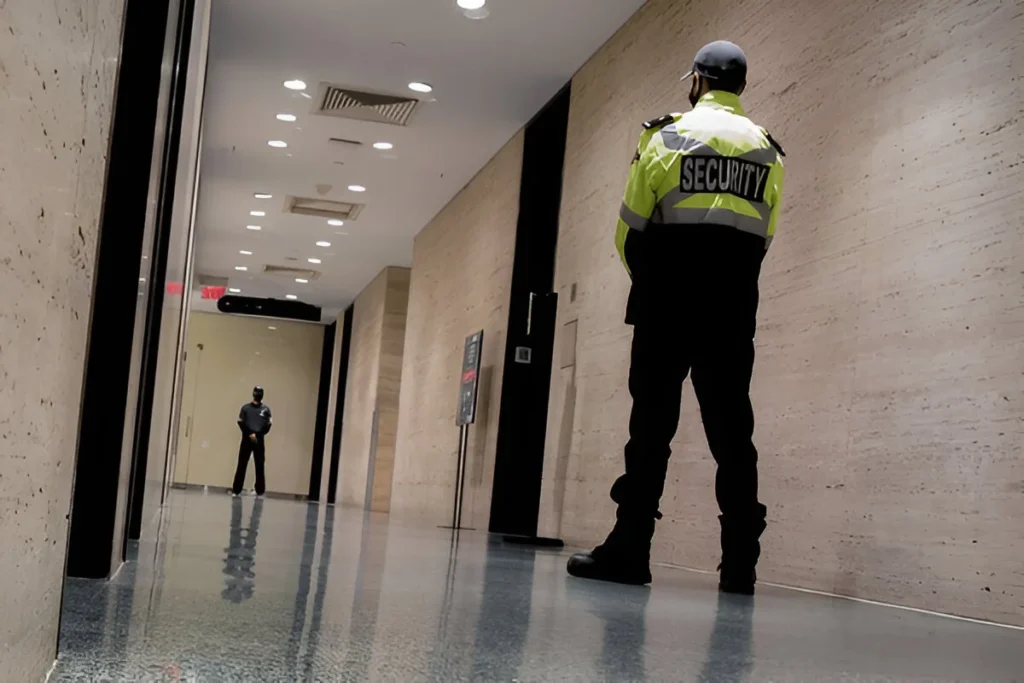
Safety in apartment complexes depends on professional guards. Learn how a reputed security guard agency ensures protection and peace for urban residential communities. In today’s fast-paced urban life, apartment complexes have become the preferred choice for housing. While these spaces offer community living, they also bring unique security challenges. From unauthorized access to emergency situations, ensuring safety in apartment complexes requires more than just gates and surveillance cameras—it demands trained, vigilant security guards who can respond effectively. Understanding the Security Needs of Apartment ComplexesHow Security Guards Enhance Safety in Apartment ComplexesAccess Control and Monitoring24/7 Surveillance SupportEmergency Response ReadinessCrime Prevention and DeterrenceAssisting ResidentsFAQs About Security in Apartment ComplexesWhy Choose Reliable Security ServicesProfessional Guards Make All the Difference in Apartment Safety Let’s explore how professional security guards play a crucial role in creating a safe and secure environment for apartment residents. Understanding the Security Needs of Apartment Complexes Apartment complexes are often home to hundreds of families, staff, and visitors. This creates a dynamic environment where security risks can arise at any moment. Some common concerns include: Unauthorized entry and trespassing Theft and vandalism in parking areas or common spaces Fire safety and emergency response readiness Monitoring deliveries and service personnel Ensuring the well-being of children and elderly residents Professional security guards are trained to address these challenges proactively and maintain a peaceful atmosphere for residents. How Security Guards Enhance Safety in Apartment Complexes Access Control and Monitoring Guards stationed at entry and exit points ensure only authorized individuals enter the premises. Visitor logs and verification procedures keep track of all movements. 24/7 Surveillance Support Security personnel work in tandem with CCTV systems to monitor high-risk areas such as parking lots, stairwells, and rooftops. Regular patrols deter suspicious activities and help maintain a visible security presence. Emergency Response Readiness Trained guards know how to respond during medical emergencies, fire outbreaks, or power failures. Coordination with local law enforcement and emergency services is faster and more effective. Crime Prevention and Deterrence A visible security presence discourages potential intruders or vandals. Guards are trained in conflict management and can intervene before situations escalate. Assisting Residents Helping with parking, guiding visitors, and ensuring residents’ comfort are part of a security guard’s responsibilities. Guards often become familiar faces in the community, increasing trust among residents. Why Safety in Apartment Complexes Requires Trained Security Safety in apartment complexes isn’t a one-size-fits-all solution. The effectiveness of security depends on the training and professionalism of the personnel deployed. Well-trained security guards are taught to: Recognize unusual behavior and assess risks. Handle modern security tools like RFID scanners and access cards. Provide first aid or basic medical assistance during emergencies. Without such expertise, even a gated community can be vulnerable to threats. Benefits of Hiring Professional Security Services Peace of Mind for residents and property owners. Reduced Liability for property management by maintaining a secure environment. Faster Emergency Handling due to trained personnel on-site. Enhanced Community Reputation, attracting potential buyers or tenants. FAQs About Security in Apartment Complexes Q1: Why do apartment complexes need professional security guards?Professional security guards provide a human presence that CCTV cameras alone cannot match. They act as deterrents and first responders in emergencies. Q2: Can security guards manage large apartment complexes?Yes, trained guards are equipped to handle access control, visitor management, and patrol duties even in high-density housing. Q3: How do security guards help in emergencies?Guards are trained to provide first aid, evacuate residents safely during fires, and contact emergency services promptly. Q4: What qualifications should apartment security guards have?They should be trained in conflict resolution, emergency procedures, and the use of modern security technology. Why Choose Reliable Security Services Choosing the right security service provider is critical. A company that prioritizes training, technology integration, and resident satisfaction ensures your apartment complex remains secure at all times. Look for providers with a proven track record in residential security and experience in managing large housing societies. Professional Guards Make All the Difference in Apartment Safety As apartment living grows in popularity, so do security risks. Professional security guards bridge the gap between technology and human vigilance, ensuring a safer environment for everyone. For property managers and residents alike, investing in robust security solutions isn’t a luxury—it’s...
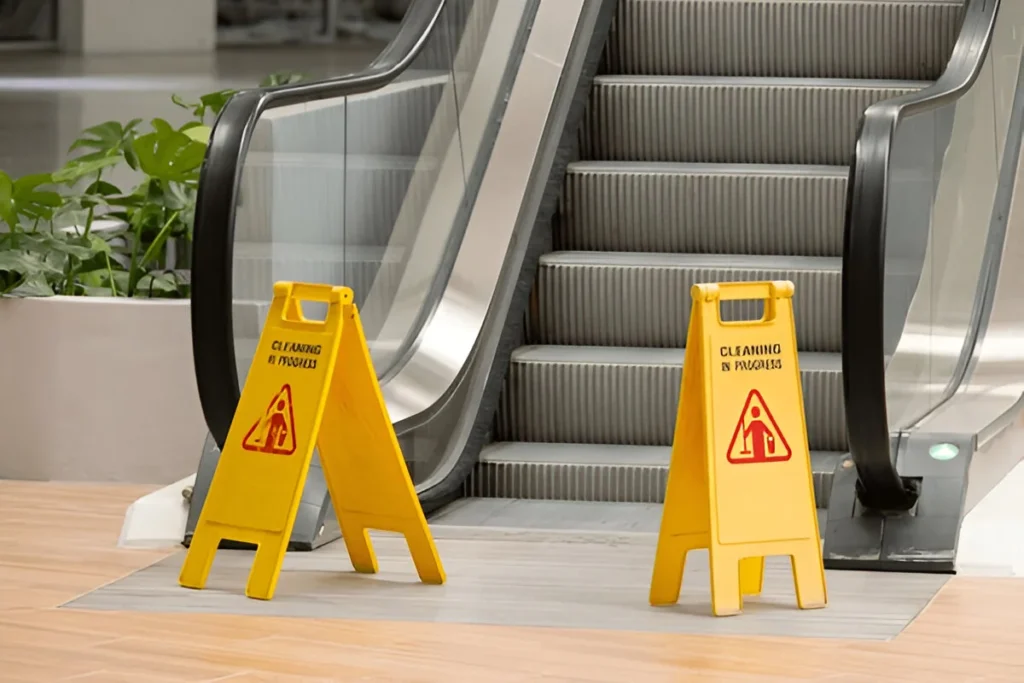
Prevent escalation with real-time incident reports that enable fast decision-making, accountability, and proactive safety, trusted by a reputed Security Guard Company. In any environment—be it residential, commercial, or public—incidents can spiral out of control quickly if left unchecked. Whether it’s a minor dispute at a retail store, an unauthorized entry at a corporate site, or a fire alarm at a residential complex, time is of the essence. One powerful tool that has redefined how security responds to these situations is the real-time incident report. The Shift from Paper Logs to Real-Time IntelligenceWhy Real-Time Reporting is a Game ChangerImmediate Situational AwarenessBetter Decision-MakingEnhances AccountabilityEnables Timely Escalation (When Needed)How Real-Time Reports Help Prevent Escalation1. Early Detection of Threats2. Centralized Monitoring3. Supportive Evidence for Fast Action4. Reduced Panic and Misinformation5. Training OpportunitiesWhere Real-Time Reporting Proves Most EffectiveCorporate OfficesMalls & Retail ChainsConstruction SitesHospitals & HealthcareWhat Makes an Effective Real-Time Reporting System?Signs You’re Working With the Right Security PartnerFAQsQ1. What is a real-time incident report?Q2. Can real-time reports be automated?Q3. Do real-time reports replace human judgment?Q4. Are these systems secure?Q5. Is real-time reporting suitable for small businesses?Final Thoughts: Real-Time Reports Are More Than Just Logs Used wisely, it becomes more than just a record—it’s a strategic layer of protection that helps prevent escalation, ensure accountability, and promote transparency. The Shift from Paper Logs to Real-Time Intelligence For years, security reporting relied on paper-based logs or delayed entries—often updated hours after an incident had occurred. These methods left room for error, vague recollections, and response delays. Modern systems, however, use digital platforms to log incidents instantly. Security personnel now record and transmit data in real time using mobile devices or cloud-connected systems. These entries often include: Timestamped updates Photos or video clips GPS location tagging Officer notes and escalation flags This evolution from delayed to real-time reporting is transforming how incidents are managed. Why Real-Time Reporting is a Game Changer When security personnel can report an incident instantly, the benefits ripple across the entire system: Immediate Situational Awareness Real-time alerts enable supervisors and response teams to understand an incident as it unfolds. They’re no longer reacting blindly or waiting for post-incident summaries. Better Decision-Making When managers have live data—including photos, location, and officer feedback—they can assess severity quickly and make informed decisions to prevent escalation. Enhances Accountability Digital logs with timestamps and user identifiers create a tamper-proof trail. This ensures all actions taken—or not taken—can be traced, supporting both transparency and compliance. Enables Timely Escalation (When Needed) Ironically, to prevent escalation, a good system also enables structured escalation when appropriate. For example: If a trespasser refuses to leave, officers can notify local authorities with supporting data in real time. In health emergencies, guards can coordinate with paramedics while recording vital scene updates. How Real-Time Reports Help Prevent Escalation Let’s go deeper into the core focus—how these systems play a critical role in preventing the escalation of tense or risky situations: 1. Early Detection of Threats Many incidents begin subtly—a person loitering, a door left ajar, or raised voices in a hallway. If logged early and shared instantly, these observations give supervisors a chance to step in before things get out of control. 2. Centralized Monitoring In setups with centralized control rooms, real-time incident data from multiple sites gives command teams a 360-degree view. This unified visibility allows coordinated response, stopping threats from spreading. 3. Supportive Evidence for Fast Action When escalation seems likely—such as during unauthorized protests or building evacuations—having visual and documented proof gives teams and authorities confidence to intervene swiftly. 4. Reduced Panic and Misinformation In emergencies, confusion can worsen the situation. Real-time reporting brings clarity, enabling calm and well-informed action. 5. Training Opportunities Patterns revealed through repeated real-time reports (e.g., a hotspot for disputes or blind spots in camera coverage) allow management to train security guards better, improving long-term response quality. Where Real-Time Reporting Proves Most Effective This approach to preventing escalation is widely applicable across sectors: Corporate Offices Insider threats, thefts, and unauthorized access Helps facility managers respond immediately Malls & Retail Chains Shoplifting, vandalism, and aggressive customers Enables store managers to involve law enforcement instantly Construction Sites Equipment misuse or unsafe behavior Guards can report safety violations as they happen Hospitals &...

Proactive threat detection is evolving with smart sensors. Learn how a reputed Security Guard Company integrates tech for smarter risk response. Security in today’s world is no longer just about reacting to incidents—it’s about anticipating them before they occur. And that’s where smart sensors step in as game changers in the world of proactive threat detection. The Shift from Reactive to Proactive SecurityWhat Are Smart Sensors in Security?The Role of Smart Sensors in Proactive Threat Detection1. Real-Time Intrusion Alerts2. Environmental Hazard Detection3. Behavioral Anomaly Recognition4. Perimeter Protection5. Smart Access ControlWhy Smart Sensors Are Essential for Modern SecurityTypes of Smart Sensors Commonly Used🔹 Motion Sensors🔹 Thermal Sensors🔹 Acoustic Sensors🔹 Vibration Sensors🔹 Air Quality/Gas Sensors🔹 Light SensorsHow Smart Sensors Improve Team EfficiencyBullet Snapshot: Key Benefits of Smart Sensors in SecurityProactive Threat Detection in High-Risk EnvironmentsFAQs: Understanding Smart Sensors and Threat DetectionSmarter Sensors, Safer Spaces From monitoring unauthorized access in real time to identifying potential environmental hazards, smart sensors are reshaping how organizations and properties safeguard people, assets, and data. Let’s explore what these intelligent tools do, how they work, and why they’re now essential in the modern security ecosystem. The Shift from Reactive to Proactive Security Traditionally, security systems focused on responding after a breach or threat had already occurred. This “reactive” model had its place—but it left little room for prevention. As threats have grown more complex and more immediate, the industry has begun transitioning to a proactive security model. And at the heart of this transformation? Smart sensors. What Are Smart Sensors in Security? Smart sensors are advanced electronic devices that detect specific physical stimuli—such as motion, heat, sound, vibration, gas levels, or light—and send data to control systems for real-time analysis and decision-making. These aren’t basic alarms or standard surveillance tools. Smart sensors are: Connected to the Internet of Things (IoT) Capable of real-time data communication Often enhanced with AI or machine learning Able to analyze behavioral patterns or environmental anomalies The Role of Smart Sensors in Proactive Threat Detection Here’s how these devices enhance proactive threat detection, especially in large facilities, offices, residential communities, and sensitive sites: 1. Real-Time Intrusion Alerts Motion sensors detect unauthorized movement in restricted zones. Thermal sensors recognize human body heat, even in darkness. Alerts are sent instantly to security teams or central control systems. 2. Environmental Hazard Detection Gas and smoke sensors alert early signs of fire or chemical leaks. Water leak sensors help prevent flooding or equipment damage. Helps prevent asset loss and ensures human safety. 3. Behavioral Anomaly Recognition AI-powered sensors can detect abnormal behavior (e.g., someone loitering too long in an area). Over time, they “learn” what normal looks like and flag deviations. 4. Perimeter Protection Vibration or seismic sensors can detect attempts to climb or cut fencing. Fiber optic sensors in fences sense even minor tampering. 5. Smart Access Control Sensors can integrate with biometric scanners to detect false access attempts. Systems log entry/exit data in real-time for audit trails. Why Smart Sensors Are Essential for Modern Security With evolving threats—be they physical, environmental, or digital—organizations can’t afford to wait until something happens. Proactive threat detection through smart sensors allows for: Faster response times Automated alerts and escalation Data-driven decision-making Prevention of damage before escalation Scalable coverage with minimal manpower These capabilities are particularly valuable to teams working with or trained by experts from companies often regarded as the Best Security Guard Company In Kolkata, where a blend of tech and tactical response becomes the norm. Types of Smart Sensors Commonly Used Let’s take a closer look at the types of sensors often deployed in proactive security: 🔹 Motion Sensors Detect movement using infrared, microwave, or dual tech. Ideal for indoor and outdoor monitoring. 🔹 Thermal Sensors Use infrared to detect body heat. Helpful for night surveillance and fire prevention. 🔹 Acoustic Sensors Recognize glass breakage, gunshots, or aggressive noise levels. Used in banks, ATMs, and sensitive areas. 🔹 Vibration Sensors Triggered by physical impact or tampering. Protect safes, windows, and entry points. 🔹 Air Quality/Gas Sensors Identify chemical leaks or smoke presence early. Useful in labs, factories, and storage rooms. 🔹 Light Sensors Detect unusual changes in ambient light. Can activate automated lighting or cameras. How Smart Sensors...

A Visitor Management System is essential for office security today. Learn why a reputed security guard company recommends modern digital tracking. The Changing Face of Office Security In a world where data, assets, and people are constantly moving, office security is no longer just about locked doors or guards at entry points. The modern workplace demands smart, trackable, and responsive systems that go beyond basic logbooks. The Changing Face of Office SecurityWhat Is a Visitor Management System?Why Offices Are Switching to Smart Visitor Solutions1. Improves Overall Security2. Contactless Entry Ensures Hygiene and Safety3. Enhances Brand Image and Visitor Experience4. Compliance with Safety and Data Laws5. Real-Time Emergency ResponseWhen Offices Delay Implementing a VMSWho Needs a Visitor Management System?How to Choose the Right VMS for Your OfficeReal-World Benefits You Can ExpectFAQs About Visitor Management SystemsQ1: Can a VMS be used for contactless visitor entry?Q2: Is it expensive to set up a Visitor Management System?Q3: How secure is the data collected in a VMS?Q4: Can VMS replace human security at the gate?Q5: Will a VMS work in a co-working or shared space?Smarter Entry = Safer Workspace One of the most crucial upgrades in this space is the Visitor Management System (VMS)—a tech-enabled process that helps record, monitor, and manage visitors entering any premises. Whether it’s a corporate park, IT firm, startup hub, or co-working space, these systems are rapidly becoming a non-negotiable part of building security infrastructure. What Is a Visitor Management System? A Visitor Management System is a digital tool designed to streamline the way guests, clients, vendors, and other external visitors are tracked and welcomed within a workplace. Instead of manually recording names in a paper register, VMS solutions allow for: Digital check-in/check-out via kiosk, QR, or app Automatic badge printing with photos Pre-approval workflows via email or SMS Real-time visitor tracking and emergency alerts Visitor data storage for audit trails and compliance What was once a tedious process is now fast, contactless, and secure—thanks to VMS integration. Why Offices Are Switching to Smart Visitor Solutions Offices are no longer just buildings. They are ecosystems of employees, clients, delivery personnel, freelancers, and vendors. Managing this influx without tech support leaves room for: Human error Unauthorized entry Privacy breaches Compliance issues Here’s why a Visitor Management System is now considered essential: 1. Improves Overall Security Digital visitor logging helps in identifying, verifying, and approving individuals before they even enter the premises. Prevents tailgating or unapproved access Tracks suspicious or blacklisted visitors Stores logs for weeks or months for reference 2. Contactless Entry Ensures Hygiene and Safety Since the pandemic, touch-free solutions have become the norm. A VMS offers: QR-code-based entry Pre-booked visits through mobile apps Health declarations during check-in These are essential for maintaining a safe office environment. 3. Enhances Brand Image and Visitor Experience First impressions matter. Instead of long queues and messy registers, your guests are welcomed with: Branded digital check-in screens Instant photo ID badges Automated welcome messages or directions It shows professionalism and attention to detail—two things every company should reflect at the door. 4. Compliance with Safety and Data Laws Many industries are required to maintain records of all visitors for regulatory audits, such as: ISO, SOC2, or GDPR compliance Fire safety norms (knowing who’s inside the building) Access logs during security investigations Manual registers can’t offer these reliably. 5. Real-Time Emergency Response In case of fire, threats, or natural disasters, a VMS can instantly: Identify who’s inside Notify all visitors via SMS or app Assist emergency services with updated headcounts This real-time functionality is something traditional guards or registers can’t replicate. When Offices Delay Implementing a VMS Despite its benefits, many offices still rely on manual logs or verbal approvals. Here’s what can go wrong: Visitor impersonation Forgotten check-outs leading to inaccurate headcounts Data breach from misplaced paper registers Inefficiency during emergencies or peak hours Even the best security professionals recognize that no matter how well-trained the personnel are, integrating technology makes security systems more resilient, accurate, and accountable. Who Needs a Visitor Management System? Virtually every modern office can benefit, but it’s particularly important for: IT & Tech Parks with multiple tenants and frequent client visits Corporate Headquarters with sensitive data and legal visitors...
September 18, 2026
September 18, 2026
September 12, 2026