-
Motilal Colony , Dumdum, Kolkata 700079
Motilal Colony , Dumdum, Kolkata 700079
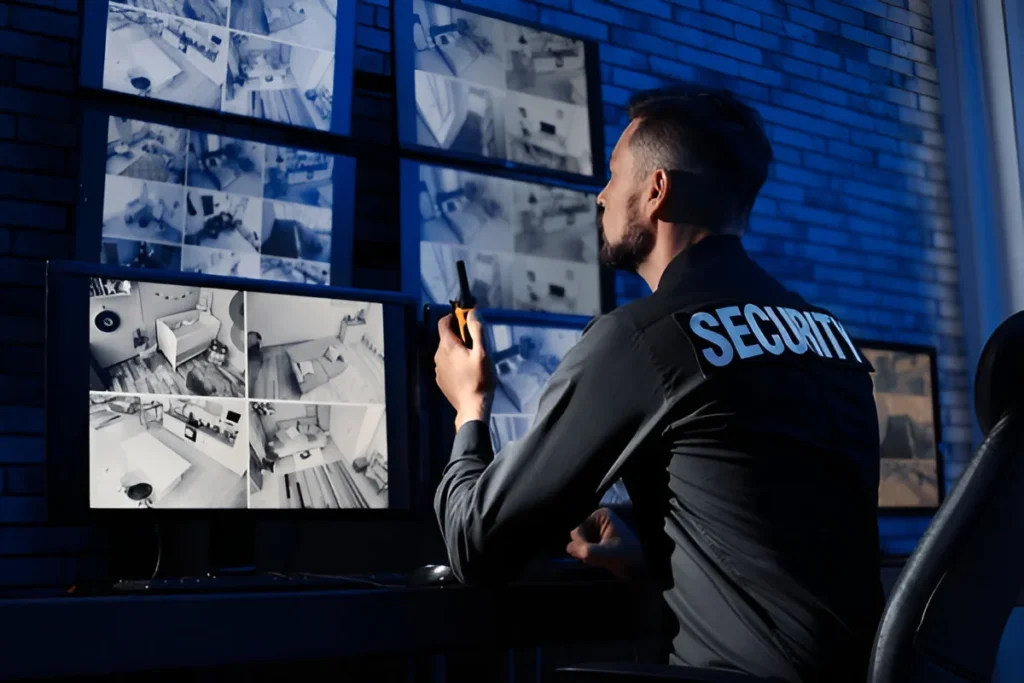
Learn why a reputed security guard company believes tech skills empower security guards to deliver safer and more reliable protection. In today’s fast-changing world, security is no longer just about physical strength or vigilance. From corporate offices and residential complexes to events and warehouses, threats have become more complex—and so have the tools to handle them. Modern-day security guards are expected to do much more than patrol premises; they now need technical skills to operate advanced systems, analyze risks, and respond to emergencies effectively. The Evolution of Security Guard ResponsibilitiesWhy Tech Skills Matter for Security Guards1. Adapting to Modern Threats2. Improved Surveillance and Monitoring3. Enhanced Communication in Emergencies4. Building Trust with Businesses and ResidentsEveryday Tech Skills Every Guard Should HaveHow Tech Skills Elevate Security Guard CareersThe Role of a Professional Security Guard CompanyWhy security guards need tech skills todayFAQsFinal Thoughts Worth Remembering Let’s explore why technology has become such an essential part of a security guard’s role and how it’s shaping the future of safety. The Evolution of Security Guard Responsibilities In the past, the main duty of a security guard was to keep watch, control entry points, and ensure that basic rules were followed. While these responsibilities still exist, modern risks such as cyber threats, identity fraud, and data breaches demand a more advanced skill set. Security teams are increasingly expected to: Use surveillance tools like smart CCTV cameras. Operate digital access control systems. Manage visitor software for offices and institutions. Understand emergency communication technologies. Handle AI-powered risk detection tools. These tasks require guards to stay updated with technical knowledge in addition to their physical and observational training. Why Tech Skills Matter for Security Guards 1. Adapting to Modern Threats Criminal activity has evolved. From unauthorized drones to digital identity fraud, risks often involve technology. Guards who know how to operate scanners, biometric systems, or drone monitoring devices are better prepared to tackle these challenges. 2. Improved Surveillance and Monitoring Gone are the days of manual registers and basic cameras. Modern security uses: High-definition CCTV systems with motion detection. AI-powered video analytics for real-time alerts. Cloud-based monitoring tools for remote supervision. Security guards who can interpret and respond to these systems add immense value to safety protocols. 3. Enhanced Communication in Emergencies Technology makes coordination quicker during emergencies. Guards skilled in using two-way radios, mobile apps, or centralized communication software can alert teams faster, ensuring quick responses that may save lives. 4. Building Trust with Businesses and Residents A guard who can confidently operate visitor management software or explain security systems builds trust with clients. This professionalism assures people that they are protected by individuals who understand both physical and digital safety. Everyday Tech Skills Every Guard Should Have Security guards today need to be familiar with a wide range of tools and platforms. Some essential skills include: CCTV monitoring and troubleshooting Access control systems operation (biometric scanners, RFID, keycards) Visitor management software use Basic IT awareness (understanding digital data and passwords) Cybersecurity awareness (spotting phishing or suspicious activities) Mobile device management for quick reporting and communication Emergency alert systems like fire alarms and panic buttons By mastering these, guards can handle situations efficiently without always waiting for external tech support. How Tech Skills Elevate Security Guard Careers Higher employability – Trained guards with tech skills are in greater demand. Better salaries – Organizations are willing to pay more for guards who bring specialized expertise. Professional growth – Opportunities extend to supervisory and managerial roles. Global standards – Many countries now require security staff to have digital competencies. This shows that learning technology isn’t just about immediate tasks—it also builds long-term career resilience. The Role of a Professional Security Guard Company When people think of safety in growing metropolitan cities, they often turn to the Best Security guard Company In Kolkata. Such organizations focus not just on deploying guards but on training them with modern technical expertise. By doing so, they ensure that: Guards are prepared to handle both physical and digital threats. Clients receive comprehensive security solutions. Safety standards remain at par with international practices. A company that invests in technology-driven training sets itself apart in the industry. Why security guards need tech skills today The question of...
Improve Security Guard Performance with smart wearables. Discover how a reputed security guard company uses tech for safer, smarter security. In the evolving landscape of security, technology is becoming as essential as the personnel who implement it. Among the most impactful advancements is the use of smart wearables—devices designed to enhance safety, boost productivity, and deliver real-time data for better decision-making. How Do Smart Wearables Enhance Security Guard Performance? Smart wearables like body cameras, smartwatches, and GPS-enabled devices help security guards improve efficiency and situational awareness. They enable real-time communication, instant alerts, and accurate location tracking. These tools reduce response time, enhance reporting accuracy, and support better decision-making. By integrating technology, security teams can improve safety, accountability, and overall performance in managing security operations effectively. How Do Smart Wearables Enhance Security Guard Performance?Why Security Needs a Technological UpgradeHow Smart Wearables Improve Security Guard Performance1. Real-Time Location Tracking2. Instant Communication & Alerts3. Health & Safety Monitoring4. Automated Patrol Logs5. Video Evidence Collection6. Data-Driven Performance AnalysisBenefits Beyond the Guard ForceKey Features to Look for in Smart Wearables for SecurityThe Human Element Still MattersFuture Trends in Security WearablesWhy Expert Guidance MattersFAQs on Smart Wearables for Security GuardsSmart Wearables Unlocking the Full Potential of Modern Security Teams From GPS-enabled watches to AI-powered body cameras, these devices are no longer futuristic add-ons—they are practical tools transforming the way security guards perform their duties. But how exactly do they help? Let’s explore. Why Security Needs a Technological Upgrade Traditional security measures—manual logs, handheld radios, and static checkpoints—are still valuable, but they often lack the efficiency and precision needed in high-risk or high-traffic environments. Challenges faced by traditional methods: Delayed communication during emergencies Limited tracking of guard locations and activities Difficulty in verifying completed patrols Reactive rather than proactive response to threats Smart wearables address these gaps by integrating real-time monitoring, automated reporting, and enhanced communication channels. How Smart Wearables Improve Security Guard Performance Security guards are the first line of defense for businesses, residential complexes, and public spaces. Improving performance means equipping them with tools that allow them to react faster, cover more ground efficiently, and remain safe while on duty. Smart wearables contribute in multiple ways: 1. Real-Time Location Tracking GPS-enabled devices allow supervisors to monitor guard locations at all times. Ensures assigned areas are being patrolled Helps dispatch backup quickly in emergencies Prevents gaps in coverage This feature is particularly valuable in large campuses, industrial sites, or multi-story buildings where visual contact isn’t possible. 2. Instant Communication & Alerts Instead of relying solely on walkie-talkies or mobile phones, smart wearables can send instant alerts with the push of a button. Emergency panic buttons notify the control room immediately Two-way communication features help coordinate responses Voice-activated systems allow hands-free operation during critical situations 3. Health & Safety Monitoring Smart wearables often include health sensors to track: Heart rate and stress levels Sudden falls or lack of movement Environmental hazards (temperature, gas detection) By monitoring a guard’s well-being, employers can prevent accidents and ensure a timely medical response. 4. Automated Patrol Logs Manual logs are prone to human error or intentional manipulation. Wearables can: Automatically record patrol routes and times Verify checkpoint scans via NFC or QR codes Generate accurate digital reports for compliance purposes 5. Video Evidence Collection Body-worn cameras are an integral part of modern security systems. They: Deter potential misconduct Provide valuable evidence in case of incidents Improve accountability for both guards and the public When paired with AI, these devices can even detect suspicious behavior patterns before they escalate. 6. Data-Driven Performance Analysis Wearables collect massive amounts of operational data—movement patterns, patrol completion rates, response times—which can be analyzed to: Identify performance gaps Optimize patrol schedules Provide targeted training for guards This transforms security operations from a reactive model into a proactive, intelligence-driven approach. Benefits Beyond the Guard Force The advantages of smart wearables extend beyond improving security guard performance—they also enhance overall operational efficiency. For Businesses & Property Owners: Reduced liability through better incident documentation Higher ROI by optimizing guard deployment Greater confidence from tenants, employees, and visitors For Security Teams: Increased situational awareness Reduced workload on repetitive tasks Improved morale and safety Key Features to Look for in Smart Wearables...
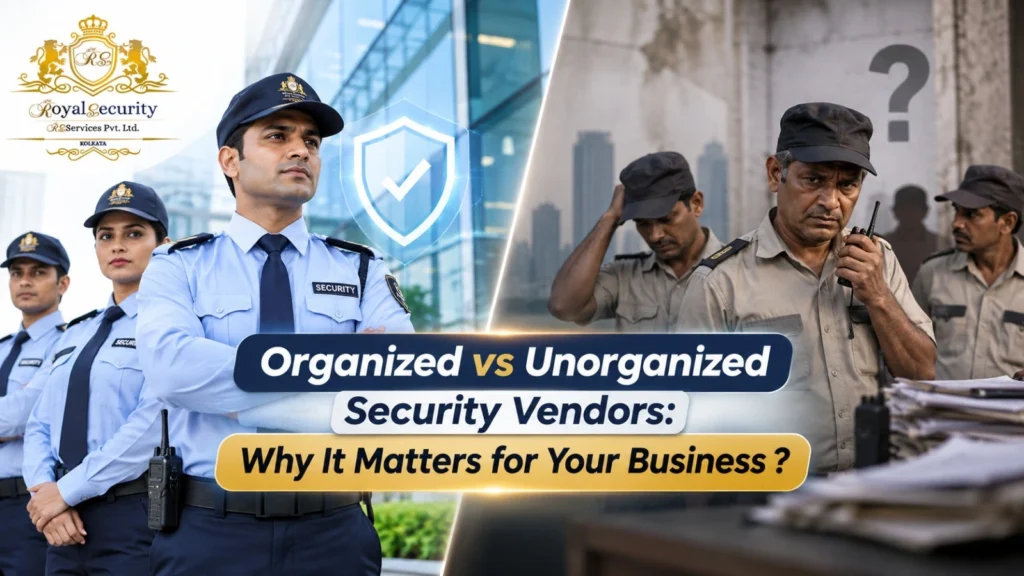
Myths About Security Guard Service often lead to poor safety decisions. Learn the facts, benefits, and how to choose the Best Security Guard Company. Common Myths About Security Guard Services: Debunked with FactsWhy It MattersThe Truth Behind the Top Myths About Security Guard Service1. Myth: Security Guards Are Unskilled or Untrained2. Myth: They Just Stand Around and Watch3. Myth: Security Guards Can Be Replaced by Technology4. Myth: Security Services Are Only for the Rich or Big Businesses5. Myth: All Security Guard Services Are the SameWhat Makes a Security Guard Truly Professional?Addressing Concerns: When Myths Turn into RisksBenefits of Choosing a Reputed Security Guard CompanyReal-Life Scenarios That Bust the MythsUnderstanding the Myths About Security Guard ServiceFrequently Asked Questions1. What is the role of a modern security guard?2. Are private security services expensive?3. Can a security guard detain a person?4. Do security guards work with local law enforcement?5. How do I choose the best security guard provider?Why Understanding the Myths About Security Guard Service Matters Common Myths About Security Guard Services: Debunked with Facts Myths About Security Guard Service often cloud people’s understanding of what professional security entails. From assuming that guards are just "standing around" to thinking technology can fully replace them, there’s no shortage of misconceptions. This guide takes an educational approach to uncover the truth behind the myths while highlighting the professional role of today’s security personnel. Why It Matters Whether you're a homeowner, event organizer, or business owner, understanding the true scope of security guard services helps you make informed decisions that impact safety, peace of mind, and long-term cost savings. The Truth Behind the Top Myths About Security Guard Service 1. Myth: Security Guards Are Unskilled or Untrained Reality:Contrary to popular belief, most professional security guards undergo rigorous training in surveillance, communication, emergency response, and crowd control. Many also receive specialized certifications depending on the industry, such as fire safety, conflict de-escalation, or first-aid. Why This Myth Persists:Uniforms can sometimes make guards appear passive, especially during calm situations. But this doesn’t reflect the depth of their training. 2. Myth: They Just Stand Around and Watch Reality:Modern guards perform active patrolling, check-ins, access control, threat detection, and documentation. Some even operate drones or monitor advanced security systems. Their presence is proactive, not passive. 🛡️ Key Responsibilities Include: Patrolling premises regularly Monitoring CCTV feeds Reporting and diffusing suspicious activity Liaising with emergency services 3. Myth: Security Guards Can Be Replaced by Technology Reality:While security technology (CCTV, alarms, access control) has evolved, it can’t replace human instincts, intuition, or judgment—especially in real-time decision-making. Why the Human Element Still Wins: Guards can interpret intent and body language They offer immediate intervention during incidents Emotional intelligence during conflicts is irreplaceable 💡 Technology supports security; it doesn’t replace it. 4. Myth: Security Services Are Only for the Rich or Big Businesses Reality:From residential communities and retail stores to schools and warehouses—security services are scalable and affordable based on need. Security isn’t a luxury; it’s a necessity. 🧱 Even small businesses can benefit from: Night-time surveillance Event security on-demand Cash handling protection Crowd and parking management 5. Myth: All Security Guard Services Are the Same Reality:Not all providers maintain the same standards, training, vetting, or professionalism. Choosing the Best Security Guard Company in Kolkata or elsewhere means assessing trustworthiness, response time, and proven experience. ✅ Things to Look For: Verified licenses and certifications Transparent service packages Background-checked personnel Experience in your industry What Makes a Security Guard Truly Professional? While uniform and visibility matter, professionalism comes from: Respectful conduct Ongoing training Knowledge of the site’s unique risks Timely reporting and clear communication 👁️ It’s not about being visible—it’s about being vigilant. Addressing Concerns: When Myths Turn into Risks Believing in these myths can result in: Inadequate security measures Vulnerability to theft or vandalism Delayed emergency responses Over-dependence on automation Investing in a security service isn’t just about protection—it’s about confidence, preparedness, and reputation. Benefits of Choosing a Reputed Security Guard Company Even though there are many options, working with a reputed and vetted provider offers: Well-trained, uniformed personnel Tailored security plans for each environment Real-time updates and transparency Peace of mind for staff, clients, and visitors Real-Life Scenarios That Bust the Myths A residential...
A strong security response plan is vital for every organization. Learn how to build one effectively with insights from a reputed security guard company. In today’s rapidly evolving threat landscape, reacting late can cost more than just money—it can cost lives, assets, and trust. That’s why forward-thinking organizations are prioritizing proactive security planning rather than reactive crisis management. A Security Response Plan isn’t just a checklist; it’s a strategic framework that prepares you to prevent, detect, and act efficiently in the face of threats. Why a Proactive Security Response Plan Is Essential in 2025What Is a Security Response Plan?Key Components of an Effective Security Response Plan1. Risk Assessment and Threat Identification2. Chain of Command and Responsibilities3. Standard Operating Procedures (SOPs)4. Incident Detection and Early Warning Systems5. Clear Communication Channels6. Training and Drills7. Documentation and ReportingHow to Structure and Execute a Security Response PlanCommon Mistakes to AvoidReal-Life Scenarios Where Response Plans WorkFAQs on Building a Security Response PlanA Proactive Plan Is a Safe Plan Whether you're managing a business, residential complex, educational institution, or critical infrastructure, this guide will walk you through building an actionable and intelligent response plan—one that reflects the wisdom and approach of seasoned security professionals. Why a Proactive Security Response Plan Is Essential in 2025 Cyber threats, physical breaches, natural disasters, and insider risks—security challenges in 2025 are diverse and unpredictable. A proactive response plan helps you: Identify and reduce risks before they become crises Ensure safety protocols are followed under pressure Assign clear roles during emergencies Minimize operational downtime and reputational damage Protect both human and material assets Without a solid security response plan, your team might respond chaotically, increasing the impact of any incident. What Is a Security Response Plan? A Security Response Plan is a strategic, documented framework that outlines how an organization prepares for, responds to, and recovers from threats and emergencies. It focuses on prevention, detection, communication, response, and recovery. This ensures your organization is always one step ahead—ready to manage crises with clarity and precision. Key Components of an Effective Security Response Plan 1. Risk Assessment and Threat Identification Begin by identifying the most probable and impactful risks: Unauthorized access or break-ins Fire hazards Cybersecurity breaches Insider threats or employee misconduct Natural calamities (floods, earthquakes) Conduct regular audits and update your risk register accordingly. 2. Chain of Command and Responsibilities Confusion during emergencies can escalate damage. Clearly define: Who takes charge? Who communicates with law enforcement or emergency services? Who ensures evacuation or lockdown protocols are followed? Who handles documentation and reporting? This is where trained professionals—like those often associated with the best security guard company in Kolkata—make a critical difference. 3. Standard Operating Procedures (SOPs) Each threat scenario should have a dedicated SOP. Examples: Fire Incident: Sound alarm, call fire services, evacuate floor-wise. Unauthorized Entry: Lockdown sensitive areas, alert security HQ, secure CCTV footage. Cyber Threat: Disconnect affected systems, inform IT, initiate backup protocols. Regular drills help familiarize the team with these procedures. 4. Incident Detection and Early Warning Systems Proactive response means catching issues before they escalate. Install and maintain: Surveillance cameras with AI integration Access control systems and biometric scanners Motion sensors and intrusion alarms Fire and smoke detectors Ensure these systems are audited monthly and that backups are in place. 5. Clear Communication Channels During a crisis, miscommunication can be fatal. Designate: Primary and secondary communication tools (e.g., intercoms, radios, WhatsApp groups) Internal and external spokespersons Emergency contact sheets posted visibly across the premises Everyone should know how and whom to contact during any security event. 6. Training and Drills Even the best-written plan fails without practice. Ensure periodic: Mock drills for fire, intrusions, and cyber-attacks Awareness sessions for staff and residents Evaluation reports to identify gaps and improve protocols Security professionals from reputable service providers often lead these drills, offering firsthand insights into real-world threat handling. 7. Documentation and Reporting After any incident, detailed reporting ensures transparency and future learning. Maintain: Incident logs Time-stamped CCTV evidence Witness statements (if applicable) Steps taken for resolution Lessons learned How to Structure and Execute a Security Response Plan Security response plans should be built like a living document—flexible but precise. Here's how to implement it: Assign a Security Coordinator...
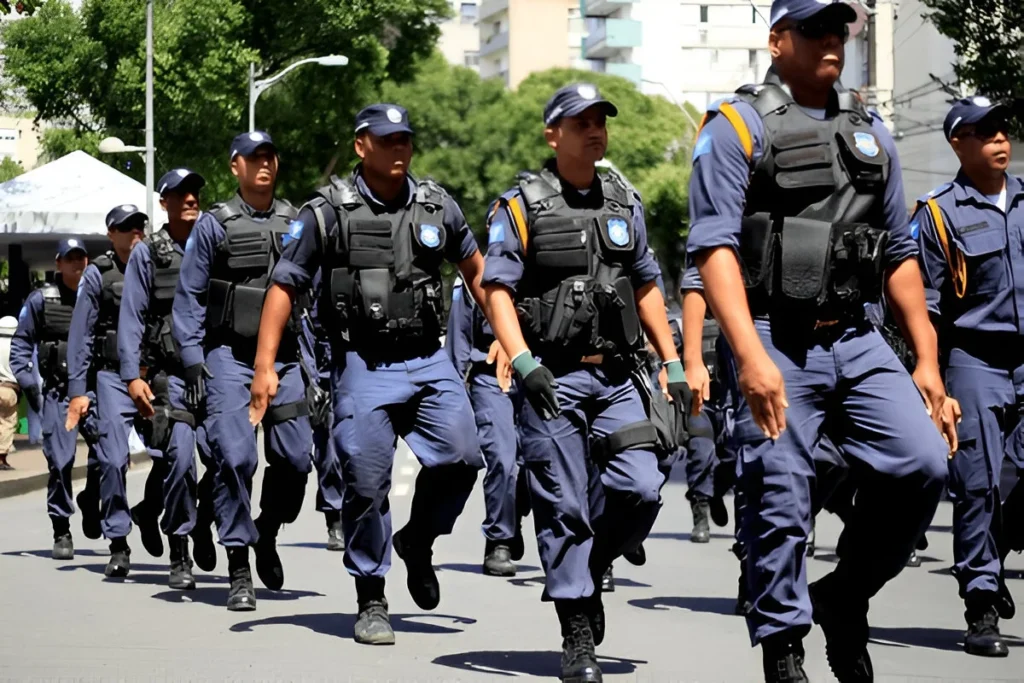
Robust guard training standards ensure reliable protection for homes, businesses, and communities. Learn why a reputed security guard company prioritizes these practices. In today’s fast-changing world, the demand for highly trained security personnel is greater than ever. Whether safeguarding residential complexes, commercial hubs, or public spaces, security guards act as the first line of defense against threats. Why Guard Training Is the Foundation of Reliable SecurityCore Components of Guard Training Programs 1. Legal Awareness and Professional Ethics 2. Physical Security Skills 3. Communication and Conflict Management 4. Threat Assessment and Situational Awareness 5. Physical Fitness and EnduranceHow Training Standards Ensure Reliable ProtectionBenefits of Hiring Professionally Trained GuardsCommon Challenges Solved Through TrainingFAQsBuilding Safer Spaces With Professional Guard Training But how can you be sure a guard is prepared for the challenges of modern security? The answer lies in professional training standards. These standards don’t just create competent guards—they build confidence for clients and ensure reliable protection in every situation. Why Guard Training Is the Foundation of Reliable Security A security guard in uniform may look authoritative, but without proper training, their presence may not be enough in critical situations. Comprehensive training equips guards to: Stay vigilant during long hours of duty. Respond appropriately to emergencies and threats. Communicate effectively with clients, residents, and authorities. Adapt quickly to dynamic situations without panic. These capabilities are what separate average security services from the best security guard companies in Kolkata, where training is seen as a core value. Core Components of Guard Training Programs Let’s break down the key elements that shape a highly trained, reliable security guard. 1. Legal Awareness and Professional Ethics Understanding local security laws and regulations. Balancing authority with respect for individual rights. Upholding integrity and professionalism on the job. 2. Physical Security Skills Mastering access control techniques and surveillance protocols. Conducting effective foot and vehicle patrols. Learning emergency response procedures for fires, theft, or trespassing. 3. Communication and Conflict Management Using verbal and non-verbal communication to de-escalate tense situations. Coordinating with team members and emergency services. Writing detailed incident reports for accountability. 4. Threat Assessment and Situational Awareness Recognizing suspicious behavior and potential security breaches. Staying alert to environmental changes that could pose risks. Making fast, informed decisions under pressure. 5. Physical Fitness and Endurance Maintaining stamina for long shifts and active patrols. Performing physical interventions safely, if necessary. Handling equipment efficiently during operations. How Training Standards Ensure Reliable Protection Properly trained guards are the backbone of dependable security services. A rigorous training regimen helps to ensure reliable protection in multiple ways: Guards can identify risks before they escalate. They maintain a strong, professional presence that deters potential offenders. Their readiness to act minimizes harm during emergencies. With such preparation, clients gain more than just security—they gain peace of mind. Benefits of Hiring Professionally Trained Guards Enhanced Safety: Trained guards are proactive in preventing incidents. Quick Emergency Response: They know how to handle fires, medical issues, or intrusions calmly. Stronger Deterrence: Their professional demeanor discourages unwanted activities. Better Client Relationships: Communication skills help build trust with residents, visitors, and employees. Common Challenges Solved Through Training Handling Aggressive Individuals: Trained guards use de-escalation techniques instead of force. Adapting to Different Environments: From malls to gated communities, training prepares them for diverse roles. Reducing Liability for Clients: Well-trained personnel act within legal limits, protecting clients from legal issues. FAQs Q1. Why are training standards so important for security guards?They ensure guards are prepared for emergencies, can protect property effectively, and act within the law. Q2. What qualifications should I look for in a security guard?Look for PSARA certification and evidence of training in first aid, fire safety, and conflict resolution. Q3. How often should guards undergo refresher training?Ideally, refresher courses should be conducted every 6–12 months to keep skills sharp. Q4. Can trained guards handle medical situations?Yes. Most undergo basic first aid and CPR training to assist until medical professionals arrive. Q5. How do I verify if a company’s guards are well-trained?Ask for training certifications, licensing details, and client testimonials. Building Safer Spaces With Professional Guard Training Security isn’t just about hiring people in uniform—it’s about equipping them with the right skills and mindset. Robust training standards are essential to ensure...
September 18, 2026
September 18, 2026
September 12, 2026