-
Motilal Colony , Dumdum, Kolkata 700079

Armed vs. Unarmed Security Guards: How Can You Choose the Right Protection for Your Business?
Home | Blogs | Armed vs. Unarmed Security Guards: How Can You Choose the Right Protection for Your Business?

By Sathi Adhikary
October 10, 2026
Armed vs. Unarmed Security Guards: How Can You Choose the Right Protection for Your Business?
Welcome to Royals Security Service, where protecting business premises, employees, visitors, and valuable assets begins with choosing the right security arrangements. Every business has different safety requirements, and selecting suitable security personnel is an important part of managing potential risks. Understanding Armed vs. Unarmed Security Guards helps business owners compare available options according to their property’s needs, daily activities, and level of risk. While armed guards may be necessary for certain high-risk environments, unarmed guards can effectively manage routine security responsibilities at many commercial and residential properties. A careful assessment of your premises, operational requirements, and applicable regulations can help you make a practical and informed decision.
Table of Contents
Armed vs. Unarmed Security Guards: What Is the Difference?
Armed and unarmed security guards share the objective of protecting people and property, but their responsibilities and working requirements differ. Armed guards carry firearms when legally authorized and assigned to duties that justify this level of protection. Unarmed guards generally focus on monitoring premises, controlling access, assisting visitors, conducting patrols, and reporting suspicious activities.
The right choice depends on the nature of your business, the assets being protected, the surrounding environment, and the potential threats identified during a security assessment. Understanding these differences can help you select a suitable service without introducing unnecessary risks or expenses.
Understanding Armed Security Guard Services
Armed security guards are trained personnel authorized to carry firearms for specific security assignments in accordance with applicable laws. Their services may be considered when a business faces a credible threat that requires a higher level of protection.
Major Responsibilities of Armed Security Guards
Protection in High-Risk Situations: Armed guards may be assigned to locations where a documented security assessment identifies a need for armed protection.
Access Monitoring: Entry points can be monitored to help prevent unauthorized individuals from entering restricted areas.
Safeguarding Valuable Assets: Specialized security arrangements may be used to protect sensitive facilities, valuable property, and other assets exposed to elevated risks.
Emergency Procedures: Assigned personnel follow established protocols during serious incidents and coordinate with relevant authorities when required.
Security Coordination: Effective communication with management, supervisors, and emergency response teams ensures a well-organized and timely response to potential security threats.
When Should a Business Consider Armed Guards?
Armed security may be necessary for high-risk facilities, certain cash-handling operations, and properties exposed to credible security threats. However, the need for armed protection should be determined by a proper risk assessment rather than the value of a business’s assets alone.
A proper assessment should consider the likelihood of threats, the consequences of an incident, legal permissions, insurance conditions, and available security alternatives. Businesses should also verify firearm licences, personnel eligibility, relevant training, and operational procedures before hiring armed guards.
Understanding Unarmed Security Guard Services
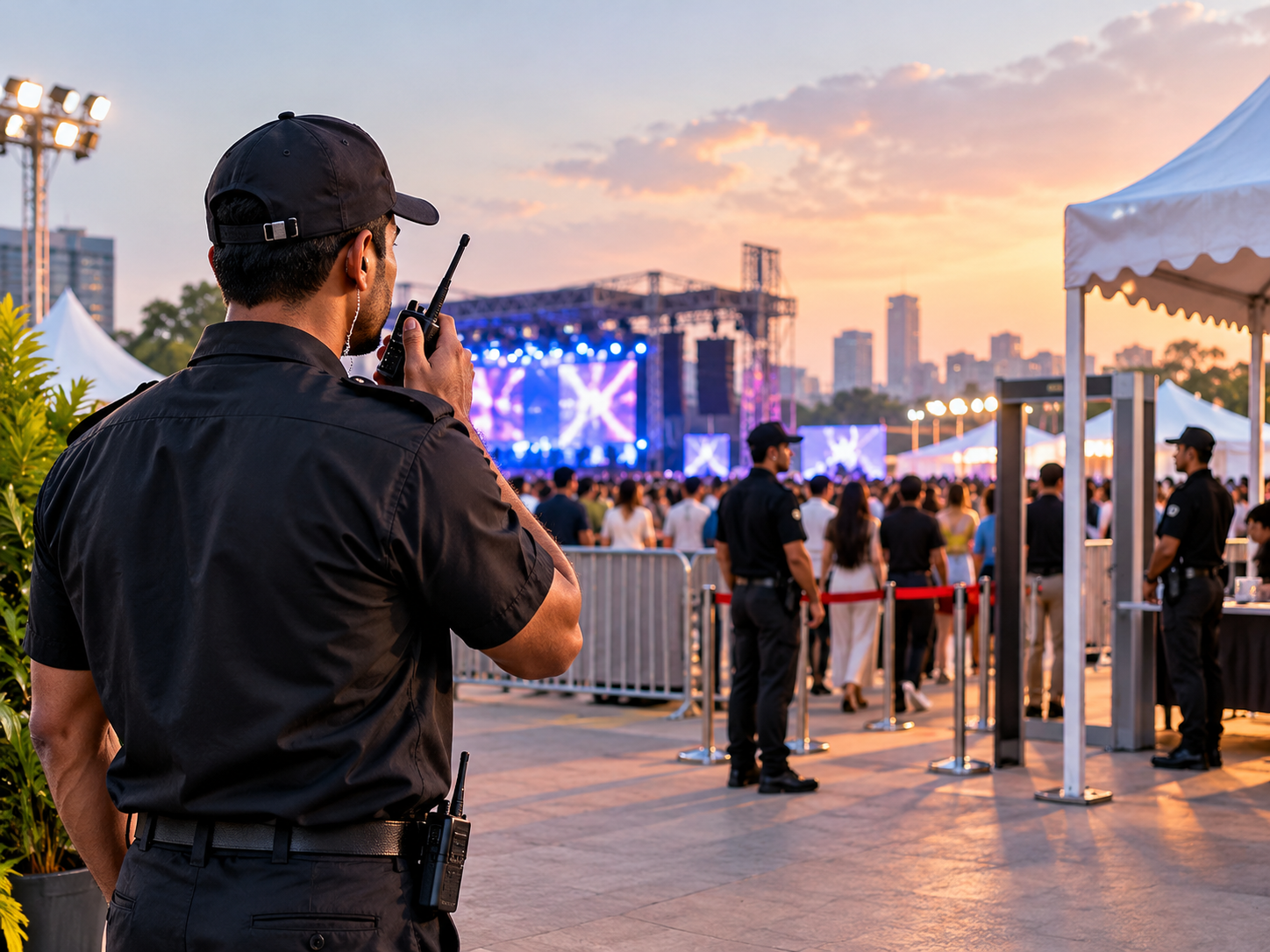
Unarmed security guards help maintain a safe and orderly environment through observation, communication, access control, patrolling, and incident reporting. Their work focuses on identifying potential problems, following established security procedures, and assisting people within the premises.
For many businesses, unarmed personnel offer an effective way to manage everyday security responsibilities without the additional risks associated with firearms.
Main Duties of Unarmed Security Guards
- Visitor registration: Checking visitor details and maintaining entry records according to workplace policies.
- Access control: Verifying authorization before allowing entry into designated areas.
- Routine patrols: Checking assigned sections of a property and reporting unusual activity.
- Incident documentation: Recording security concerns, property damage, and rule violations.
- Emergency assistance: Alerting supervisors or emergency services and following established response procedures.
- Visitor support: Providing directions and assisting employees, residents, customers, and guests with routine enquiries.
Which Businesses Can Benefit from Unarmed Guards?
Unarmed security personnel can be suitable for corporate offices, residential buildings, shopping centres, hotels, educational institutions, healthcare facilities, warehouses, and retail establishments.
Depending on their assigned responsibilities, they can monitor common areas, support visitor management, observe potential safety hazards, and help maintain workplace procedures. Their performance depends on relevant training, proper supervision, clear communication, and well-defined duties.
How to Decide Between Armed and Unarmed Security Guards
Choosing between these options requires an understanding of your property’s security challenges and the level of protection needed. Neither service is automatically the right choice for every business.
1. Identify Potential Security Threats
Begin by reviewing the risks associated with your premises. Consider unauthorized access, theft, previous incidents, valuable equipment, workplace conflicts, and the nature of daily operations.
For routine monitoring and access control, unarmed security guards may be adequate. However, if credible threats warrant a higher level of protection, a professional security assessment can help determine whether armed security services are necessary.
2. Match Security Services to Your Property
Different premises require different arrangements. Corporate offices may need visitor screening and reception security, while warehouses may require perimeter monitoring and scheduled patrols. Facilities with elevated risks may need additional protective measures.
Selecting security personnel according to the property’s actual requirements can help maintain safety without disrupting normal business activities.
3. Compare Costs and Operational Requirements
The cost of security services depends on several factors, including the number of security personnel required, working hours, shift patterns, training needs, and the complexity of the site. Armed security services may involve extra expenses for licensing, specialized training, equipment, and insurance coverage.
Unarmed services may be a more economical choice for routine security duties. However, businesses should evaluate the overall effectiveness of the proposed arrangement rather than choosing a provider on price alone.
4. Evaluate Training and Professional Conduct
Security personnel must be familiar with their assigned responsibilities, communication protocols, emergency procedures, and legal boundaries. Armed guards must also receive specialized training and obtain the necessary authorization to perform their duties safely and lawfully.
Before selecting a provider, ask about staff verification, training records, supervision, incident reporting, and procedures for handling security concerns.
5. Confirm Legal Compliance
Security arrangements must follow the applicable laws and regulations. In India, private security agencies are subject to the Private Security Agencies (Regulation) Act, 2005 (PSARA), and applicable state rules. Armed assignments also require compliance with relevant firearms legislation and licensing conditions.
Businesses should verify the necessary credentials and ensure that the proposed security arrangements meet their legal, insurance, and operational requirements.
Why Choose Royals Security Service for Your Security Requirements?
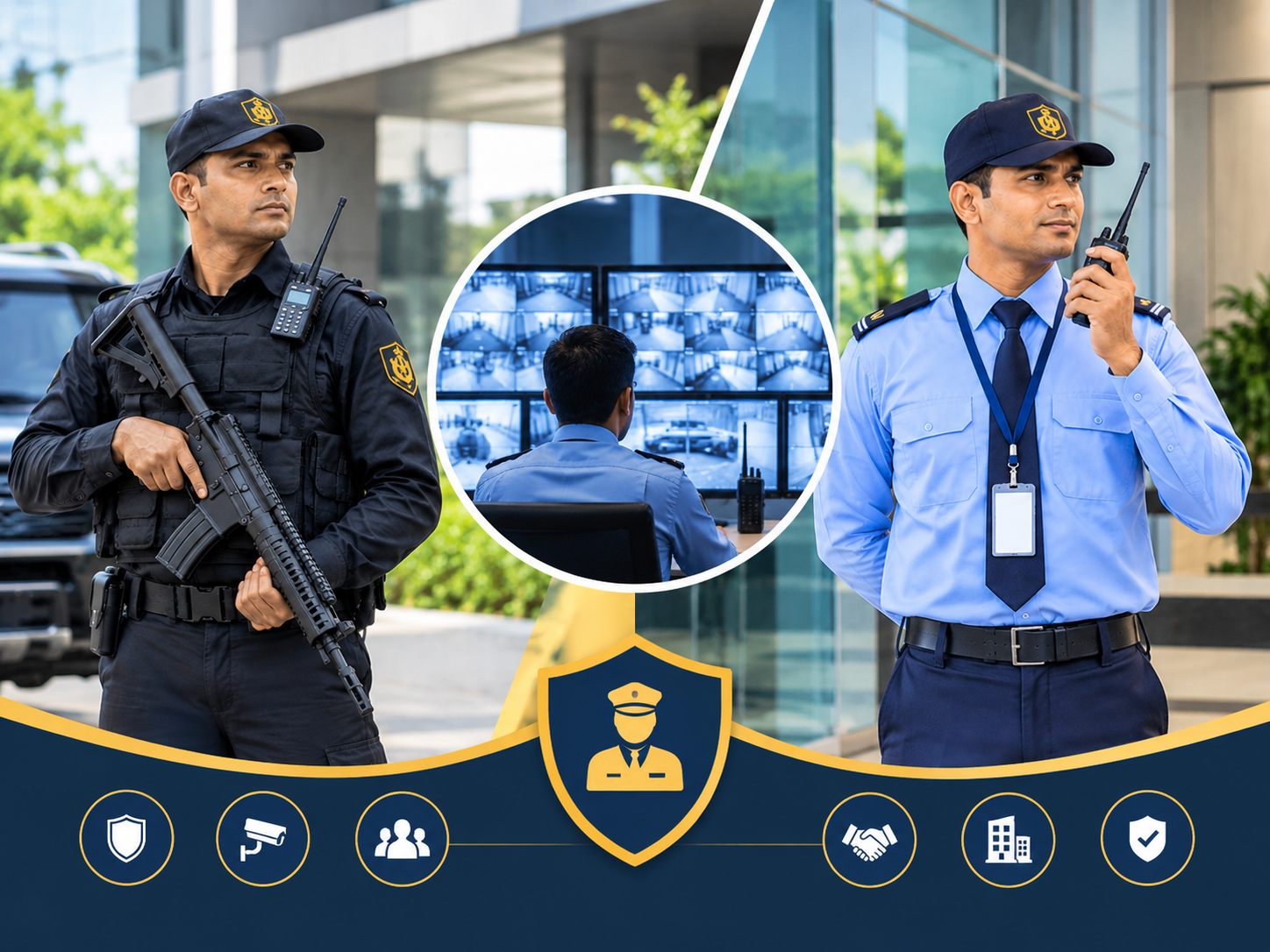
Choosing a security provider is an important business decision.The arrangement should go beyond simply assigning guards to a location by supporting daily operations, defining clear responsibilities, and addressing the specific security risks associated with the property.
Royals Security Service can be approached to discuss your security requirements and explore suitable service options. Before entering into an agreement, businesses should confirm the provider’s credentials, available services, staffing arrangements, and supervision procedures.
Important Qualities to Look for in a Security Provider
Security Planning: The proposed security service should be tailored to the property’s layout, operating hours, and identified security risks.
Suitable Staff Training: Personnel should be prepared for the duties they are assigned to perform.
Professional Behaviour: Guards should communicate respectfully with employees, customers, visitors, and residents.
Consistent Reporting: Security incidents and unusual observations should be documented through an established reporting process.
Effective Supervision: Clear procedures should be established for monitoring attendance, conducting performance reviews, and escalating incidents when necessary.
Appropriate Staffing: The number of security guards and their work schedules should be determined by the property’s specific security needs and requirements.
Reviewing these factors can help businesses understand what a provider offers and establish realistic expectations before services begin.
Security Solutions for Different Business Requirements
Every property has its own operational needs. A suitable security arrangement should take account of the premises, number of people using the facility, working hours, and potential risks.
Professional Security Guard in Kolkata
A Professional Security Guard in Kolkata can assist with property monitoring, access control, visitor registration, and routine patrols. Clearly defined responsibilities help security personnel follow workplace procedures and report concerns promptly.
Professional Security Guard Services in Kolkata
Professional Security Guard Services in Kolkata may support corporate offices, residential complexes, retail establishments, warehouses, and other commercial properties. Businesses should discuss shift coverage, staff allocation, supervision, and reporting procedures when evaluating a service arrangement.
Trained Security Guards in Kolkata
Trained Security Guards in Kolkata can help maintain workplace safety through observation, communication, emergency awareness, and adherence to established protocols. Training should be appropriate to the assigned duties and the specific risks associated with each property.
Armed and Unarmed Security guard s in Kolkata
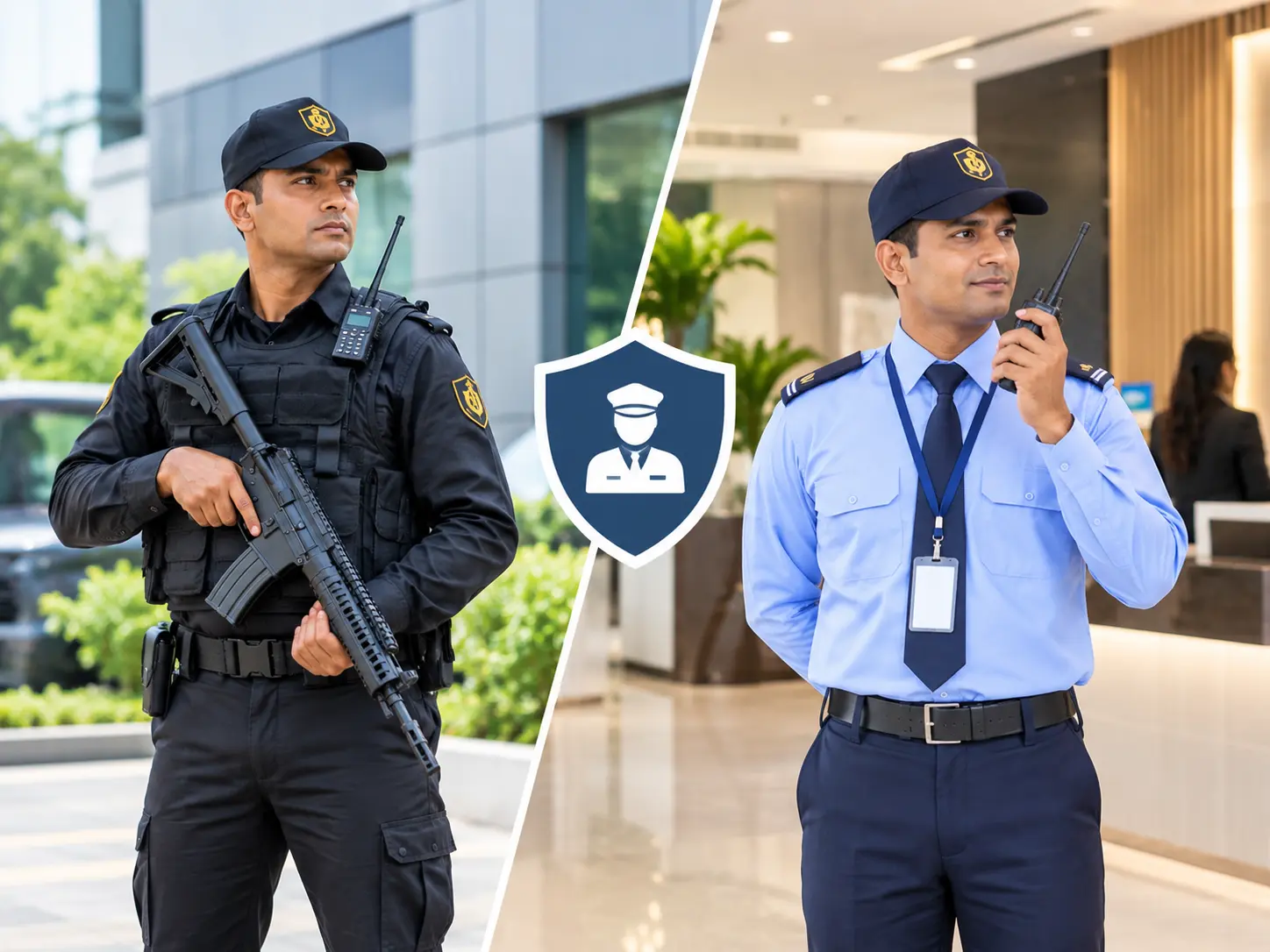
Armed and Unarmed Security Services in Kolkata should be selected according to a property’s security assessment and applicable legal requirements. A qualified assessment can help determine whether unarmed personnel can meet the identified needs or whether authorized armed protection should be considered.
Frequently Asked Questions (FAQs)
1. What is the main difference between armed and unarmed security guards?
Armed guards carry firearms when properly authorized for their assignments, while unarmed guards perform security duties without firearms. Both may support property protection, but their suitability depends on the risks and responsibilities involved.
2. Are Unarmed Security Guards Suitable for Commercial Properties?
Yes. Unarmed guards can be suitable for many offices, shops, residential complexes, educational facilities, and other commercial premises where access control, monitoring, visitor assistance, and routine patrols are the main requirements.
3.When Should a Business Consider Hiring Armed Security Services?
Armed protection may be considered when a documented risk assessment identifies credible threats that justify it. Businesses must also verify applicable licences, authorizations, training, and legal requirements.
4. Can armed and unarmed security guards work at the same property?
Yes, where legally permitted and operationally appropriate. For example, unarmed guards may manage visitor entry while authorized armed personnel handle a specific high-risk assignment. Responsibilities should be clearly defined.
5. What factors should you consider before hiring a security agency?
Review relevant licences, staff background checks, training requirements, supervision practices, emergency procedures, insurance coverage, and service agreements. Ensure the proposed services align with your property’s specific needs and operational requirements.
6. What Is the Cost of Hiring Security Guard Services in Kolkata?
Pricing depends on the number of guards, duty hours, shift patterns, location-specific requirements, and the type of security service. Request a customized quotation based on your specific needs to compare service options and arrangements effectively.
Conclusion
Selecting the right security arrangement involves understanding your business risks, workplace environment, budget, and legal responsibilities. Armed vs. Unarmed Security Guards should be evaluated according to the level of protection required rather than appearance or assumptions about effectiveness.
Unarmed guards can manage routine responsibilities such as access control, visitor assistance, patrols, and incident reporting. Armed guards may be appropriate for specific high-risk assignments when supported by a proper assessment and all required authorizations.
Royals Security Service can be contacted to discuss your premises and explore suitable security options. A consultation can help clarify your requirements, compare available services, and establish a security plan that supports your employees, visitors, property, and daily business operations.