-
Motilal Colony , Dumdum, Kolkata 700079
How to plan security for large public events
Home | Blogs | How to plan security for large public events
By Royals
October 10, 2025
Learn how to plan security for large public events effectively with a detailed step-by-step guide on risk assessment, crowd control, and coordination from a reputed Security Guard Company, ensuring safety and peace of mind.
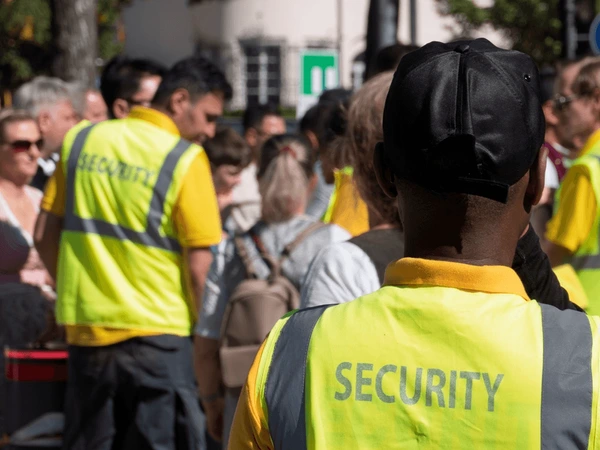
When thousands of people gather for a concert, sports match, political rally, or festival, the excitement also brings significant responsibility — public safety.
Planning security for such large-scale events is a challenge that demands foresight, precision, and coordination between multiple agencies.
Table of Contents
In a world where crowd dynamics and security threats are evolving rapidly, proper planning can make the difference between a successful, safe event and a potential disaster.
Let’s explore how professionals approach the process of organising security for large public events, what factors they consider, and what measures they take to ensure every participant returns home safely.
Understanding the Importance of Event Security
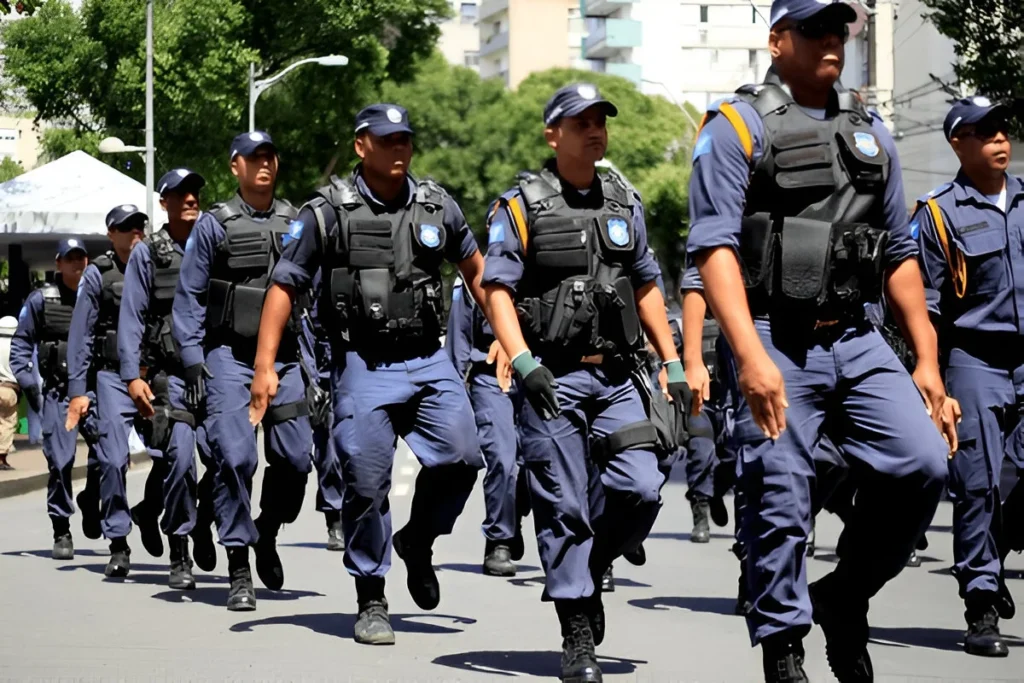
Event security isn’t just about deploying guards or installing cameras. It’s a comprehensive strategy that combines intelligence, logistics, and human psychology.
For public events, the goals are clear:
- Protect participants, VIPs, and staff.
- Prevent unauthorized entry or disturbances.
- Respond swiftly to emergencies.
- Maintain public order without affecting enjoyment.
As the Best Security Guard Company in Kolkata and across major urban centers understand, the key is not only reaction but prevention — anticipating risks before they happen.
Step 1: Risk Assessment and Threat Analysis
Every effective security plan begins with identifying risks.
Before the event date is even finalized, security planners conduct a thorough site and situation analysis, which includes:
- Venue layout – entry and exit points, emergency evacuation routes.
- Expected crowd size – larger crowds require more manpower and layered protection.
- Event nature – sports, religious, political, or cultural events have different threat profiles.
- VIP presence – high-profile guests demand stricter screening and coordination with law enforcement.
- Historical data – studying past events for any patterns of security breaches.
Risk analysis ensures that the team can design tailored responses, minimizing vulnerabilities from the start.
Step 2: Coordinating with Authorities and Stakeholders
Security for large public events is never a one-team job. Collaboration is essential.
Planners coordinate with:
- Local police and traffic departments.
- Fire and emergency medical services.
- Event organizers and technical teams.
- Private security personnel and volunteers.
This ensures everyone has access to real-time updates, communication channels, and role clarity.
Regular briefing sessions before and during the event help synchronize efforts and prevent confusion.
Step 3: Developing an Integrated Security Blueprint
A security blueprint is essentially the event’s master plan. It includes:
- Manpower allocation for all key areas.
- Patrolling routes for mobile teams.
- CCTV placement for full coverage.
- Communication hierarchy for instant response.
- Evacuation map and crowd control layout.
By combining physical security (guards, barricades) with technology (CCTV, drones, sensors), modern planners create multi-layered protection that adapts dynamically.
Step 4: Access Control and Screening Systems
One of the biggest risks during mass gatherings is unauthorized access.
To prevent this:
- Use ticket scanners and ID checks at all entry points.
- Implement metal detectors and baggage scanners.
- Designate separate gates for VIPs, staff, and general attendees.
- Use color-coded wristbands or digital passes for easy verification.
These simple yet effective measures ensure that only verified individuals enter the event space — a key step in ensuring safety for everyone.
Step 5: Crowd Management Strategies
Crowd behavior can be unpredictable, especially in emotionally charged environments like concerts or political rallies.
Efficient crowd management is therefore the backbone of security for large public events.
Key tactics include:
- Installing barriers and queuing lanes to guide movement.
- Positioning trained marshals at choke points.
- Making frequent public announcements to prevent panic.
- Setting up information booths for crowd queries.
- Using surveillance systems to monitor group density in real time.
The ultimate goal is to prevent bottlenecks, avoid stampedes, and maintain calm even in unexpected situations.
Step 6: Emergency Preparedness and Response Plan
No security system is complete without an emergency response plan.
Events must have clear, actionable steps for:
- Medical emergencies – first-aid stations and paramedics on site.
- Fire hazards – extinguishers, hydrants, and evacuation routes ready.
- Power failures – backup generators to maintain surveillance and lighting.
- Natural calamities or public panic – designated safe zones and crowd rerouting.
Teams undergo mock drills before the event, rehearsing every possible scenario to ensure swift action when needed.
Step 7: Incorporating Modern Technology
The modern era of event security goes beyond guards and radios.
Today’s planners rely on technology-driven intelligence to stay proactive.
Examples include:
- AI-enabled CCTV for behavior detection.
- Drones for aerial crowd monitoring.
- GPS tracking for security personnel.
- Digital visitor management systems for faster screening.
- Two-way encrypted communication devices for instant alerts.
These innovations reduce human error and provide real-time insights that make large events safer and smoother.
Step 8: Training and Psychological Readiness
Security teams need more than muscle — they need presence of mind.
Professionals are trained in:
- Conflict de-escalation techniques.
- Emergency evacuation leadership.
- Public interaction and communication.
- Basic medical aid and CPR.
Psychological preparedness helps them remain calm and decisive in high-pressure situations.
A confident, well-trained team builds trust and reassurance among attendees.
Step 9: Communication Is Key
Seamless communication keeps the event under control.
- Teams use central command centers for coordination.
- A clear reporting hierarchy avoids confusion.
- Public communication via loudspeakers ensures order.
If any issue arises — from lost items to suspicious behavior — immediate communication ensures it’s handled before it escalates.
Step 10: Post-Event Review and Learning
After the event concludes, the security journey doesn’t end.
A debriefing session is crucial to:
- Review incidents, if any.
- Analyze strengths and weaknesses of the plan.
- Document lessons learned for future improvement.
Continuous review ensures that every future event benefits from enhanced experience and efficiency.
Benefits of a Structured Security Plan
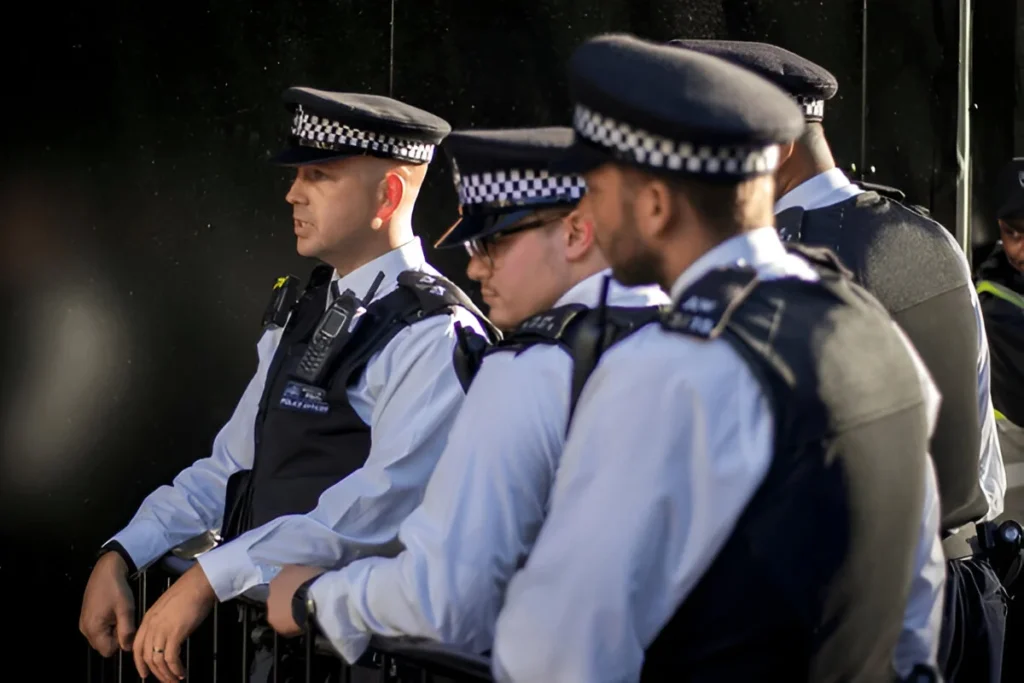
A well-planned security strategy offers multiple benefits:
- Peace of mind for organizers and participants.
- Reduced liability risks.
- Enhanced public confidence in event management.
- Stronger brand reputation for the organizing body.
Whether it’s a small cultural gathering or an international sports meet, proactive planning remains the cornerstone of success.
Expert Tip
Always keep contingency resources ready — from additional manpower to medical backup — because in security, preparedness saves lives.
The most experienced planners know that the best outcome is when security feels invisible but effective.

FAQs
1. How early should security planning start for a large event?
Ideally, security planning should begin at least 60–90 days before the event, allowing enough time for assessment, coordination, and training.
2. What is the biggest challenge in public event security?
Crowd unpredictability and communication gaps are the biggest challenges, which can be overcome through planning and real-time coordination.
3. How can technology improve event safety?
Modern surveillance, drones, and real-time communication tools enhance visibility and reduce response time during emergencies.
4. How many guards are required for large gatherings?
It depends on the crowd size, event type, and venue. Generally, experts recommend one trained guard per 100 attendees, with additional support for high-risk areas.
5. Should organizers hire professional security services?
Yes, experienced professionals understand event logistics and compliance laws, ensuring safety without disrupting the event flow.
Safety Begins with Smart Planning
Security at large public events is not just about protection — it’s about creating an environment where joy and safety coexist.
Behind every successful festival, rally, or concert lies a team that planned meticulously, anticipated wisely, and acted decisively.
When professionals combine technology, training, and human vigilance, public gatherings become spaces of unity and celebration — not chaos or concern.
That’s the power of thoughtful planning — where awareness meets action, and safety becomes seamless.
Recent Posts
60-Minute Facility Security Audit: A Practical Checklist for Admin Heads
September 18, 2026

Can Physical Security Help Prevent Workplace Violence?
September 18, 2026
Organized vs Unorganized Security Vendors: Why It Matters for Your Business
September 12, 2026